
01
Wafer Cleaning Equipment
Equipment for wafer surface cleaning, contamination control and preparation before downstream grinding, dicing, bonding or inspection steps.
Explore Wafer Cleaning Equipment →Explore wafer processing equipment for cleaning, grinding, dicing and mounting. This equipment area supports practical wafer preparation before device separation, package assembly, testing or other downstream semiconductor processes.
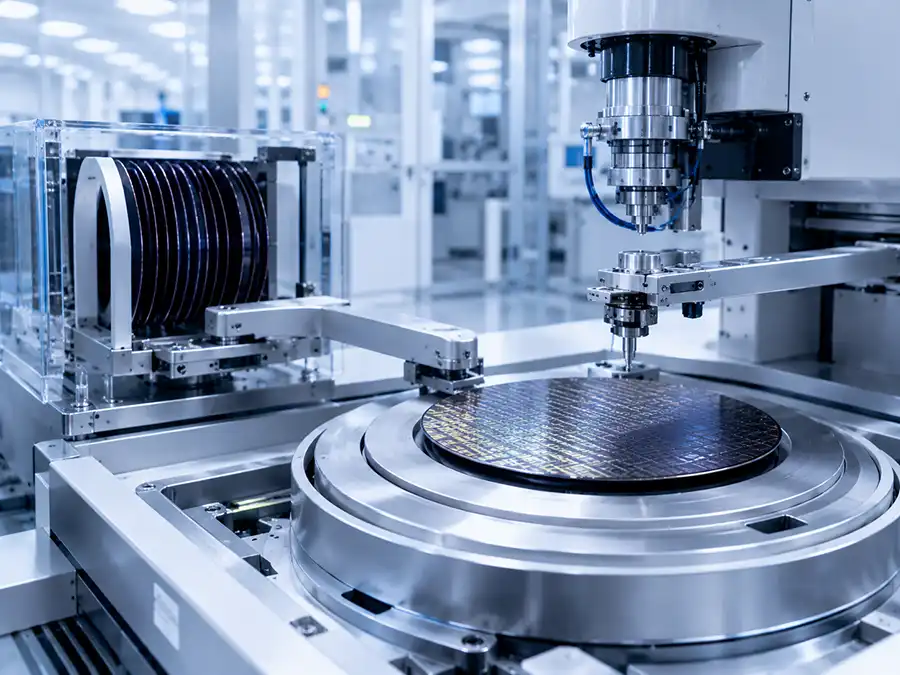
This page is the primary category hub for wafer processing equipment. Start with the process stage that best fits your current wafer condition, target output and downstream production objective.
Equipment for wafer surface cleaning, contamination control and preparation before downstream grinding, dicing, bonding or inspection steps.
Explore Wafer Cleaning Equipment →
Wafer grinding systems for thickness reduction, wafer thinning and controlled preparation of semiconductor substrates before later process stages.
Explore Wafer Grinding Equipment →
Precision dicing equipment for separating semiconductor wafers into individual dies while managing cut quality and process stability.
Explore Wafer Dicing Systems →
Wafer mounting equipment for tape application, handling stability and dicing preparation before die separation and downstream processing.
Explore Wafer Mounting Equipment →
Wafer processing is not one isolated machine decision. Cleaning, thinning, singulation and mounting can affect later die attach, package yield, device handling and production consistency.
Start with the required wafer condition, contamination-control requirement and process readiness before moving into subsequent processing steps.
Use grinding or thinning equipment where the production route requires reduced wafer thickness, controlled material removal or later package compatibility.
Match dicing method, cutting requirement and wafer material with the singulation quality needed for downstream die handling.
Apply the appropriate mounting approach to support wafer transport, tape handling and stable execution of the next process stage.
Before comparing individual models, define the wafer characteristics, process purpose and downstream condition that will determine the suitable equipment direction.
Clarify wafer material, diameter, thickness, substrate type and physical characteristics before assessing the suitable equipment configuration.
Identify whether the project requires cleaning, grinding, dicing, mounting or a connected preparation route involving several equipment categories.
Review surface condition, thickness tolerance, cut quality, die handling stability and the degree of automation needed for production.
Consider how the wafer output must connect with die bonding, advanced packaging, test handling or other later manufacturing stages.
Wafer processing projects may involve new equipment sourcing, practical used-equipment options, parts support or replacement planning for an installed machine base.
Explore condition-controlled equipment options for expansion projects, discontinued platforms, budget-sensitive sourcing and practical replacement requirements.
Explore Available Equipment →
Support ongoing wafer processing operations through spare-parts sourcing, repair direction, replacement planning and installed-base continuity.
Explore Support Services →
Wafer processing equipment is used to prepare semiconductor wafers through steps such as cleaning, grinding, dicing and mounting before later assembly, test or device-handling stages.
Wafer grinding reduces or controls wafer thickness. Wafer dicing separates a processed wafer into individual semiconductor dies using a controlled singulation method.
Wafer mounting helps stabilize the wafer on tape or another support medium, making handling and die separation more controlled during the dicing process.
Useful information includes wafer material, diameter, thickness, required process stage, target output, current machine model, automation preference and delivery destination.
Yes. Used or refurbished wafer processing equipment can be considered when condition, configuration, process compatibility and support scope align with the actual production requirement.