Load and Align
The package, leadframe or substrate is loaded. The vision system finds the die pad and second bond location.
A wire bonder machine creates fine electrical connections between a semiconductor die and its package, leadframe or substrate. Browse available equipment for IC, LED and discrete device production, compare manual and automatic systems, and request a current price based on the actual machine configuration.
A wire bonder is semiconductor packaging equipment used after die attach to connect chip pads with a leadframe, substrate or package terminal. Depending on the process, it may use gold, copper, aluminum or another bonding material. Automatic wire bonders are built for repeatable production, while manual and semi-automatic machines are often selected for laboratories, repair, process development and lower-volume work.
This simplified sequence shows a typical automatic ball bonding cycle and helps first-time buyers understand what the machine is doing before they compare models.
The package, leadframe or substrate is loaded. The vision system finds the die pad and second bond location.
A ball is formed at the wire tip and bonded to the die pad using controlled force, ultrasonic energy and heat when required.
The capillary moves along a programmed trajectory to produce the required loop height, length and shape.
The other end of the wire is bonded to the leadframe, substrate or package terminal.
The wire is terminated, the tool moves to the next position and the programmed bonding sequence continues.
This is a typical ball bonding sequence. Wedge bonding uses a different tool, wire feed direction and bonding motion, so the machine type must match the intended process.
Review the live product listings below. The exact bond head, software, handling system, tooling, condition and included accessories should be confirmed for the individual machine.
Looking for a model that is not shown? Send the manufacturer and full model number. We can check additional sourcing channels and current availability.
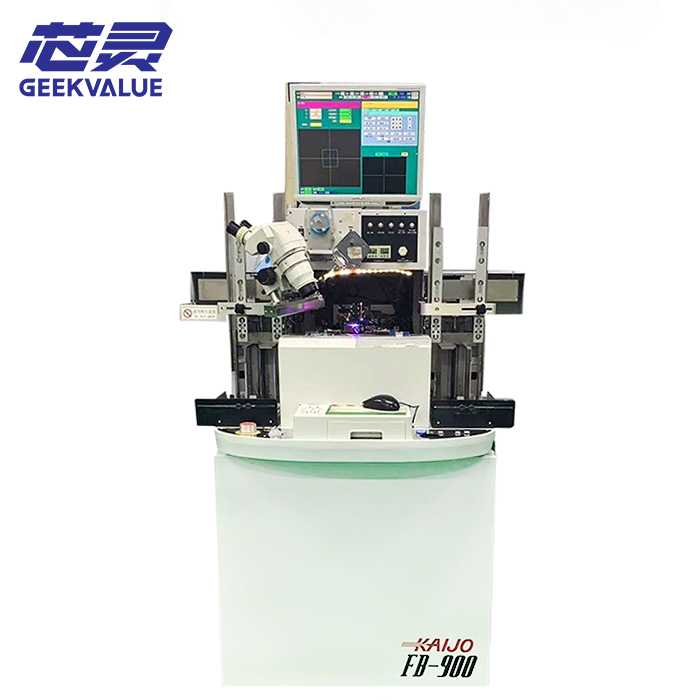
Explore KAIJO FB900 wire bonder for LED packaging and semiconductor assembly. Learn features, specif
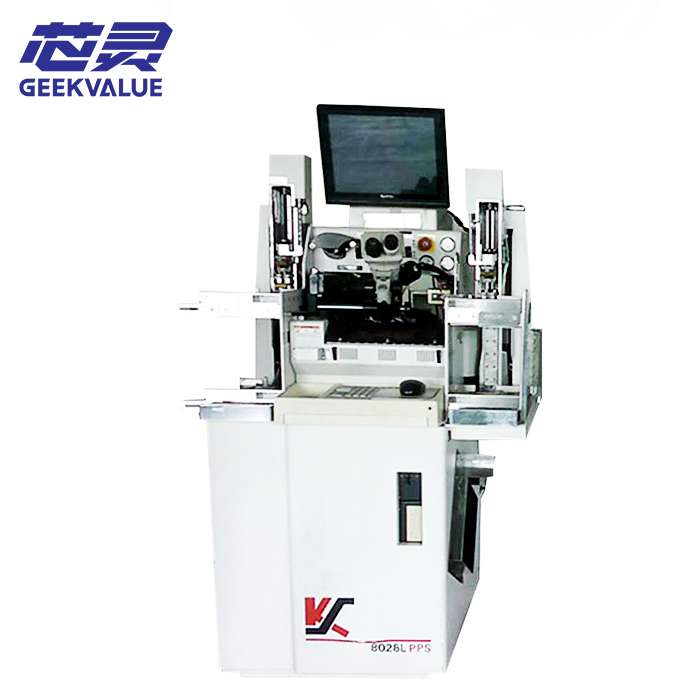
Explore K&S 8028PPS wire bonder technology for fine pitch semiconductor packaging. Learn specificati
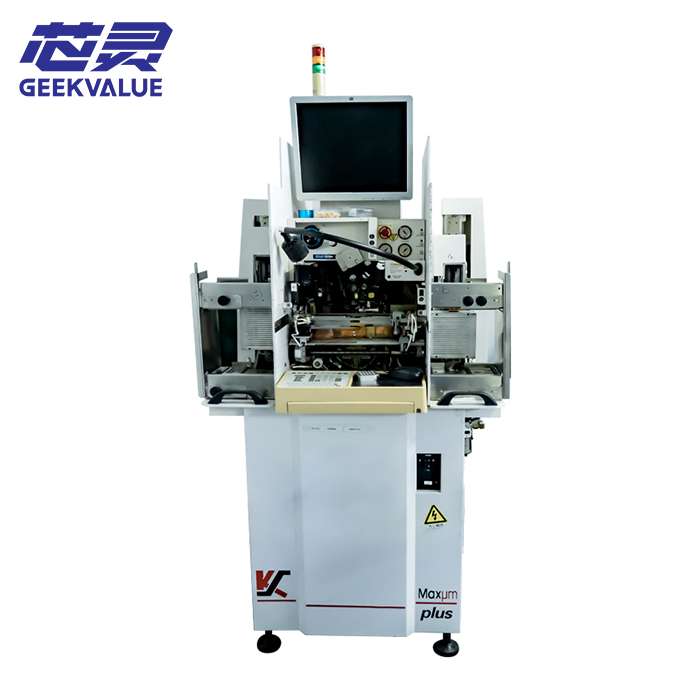
Explore K&S MAXUM PLUS wire bonder features, specifications, bonding technology, applications, and semiconductor pac...
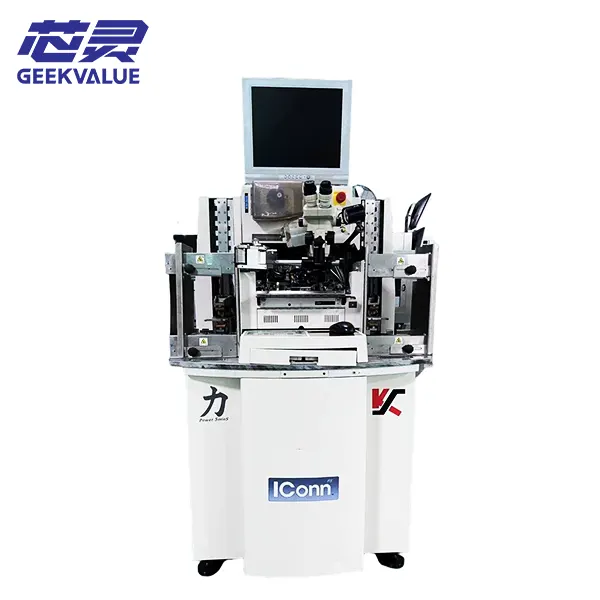
Explore K&S ICONN wire bonder for semiconductor IC packaging. Learn bonding technology, specifications, applications...
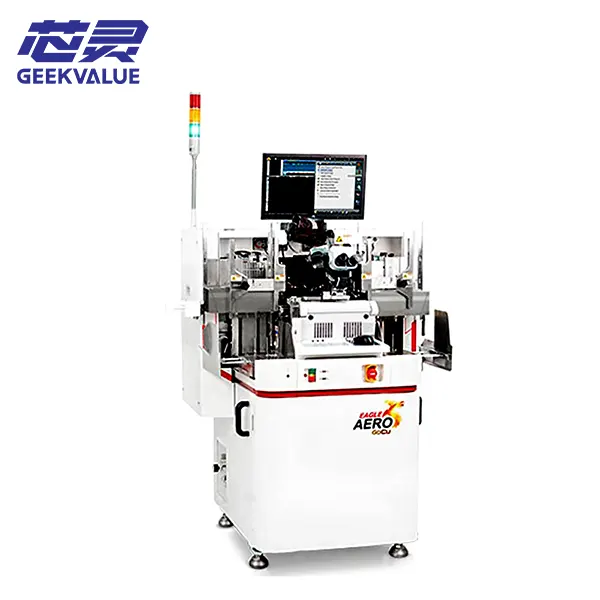
Learn about ASM Eagle AERO wire bonder specifications, applications, bonding technology, and semiconductor packaging sol...
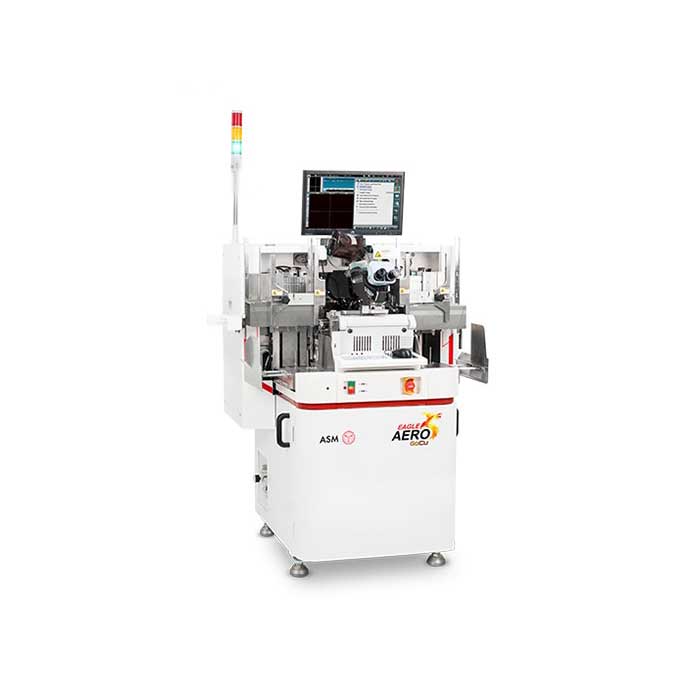
Explore ASMPT Eagle AERO wire bonding machine for high-end IC customers. Learn X-Power technology, fine pitch bonding, a...
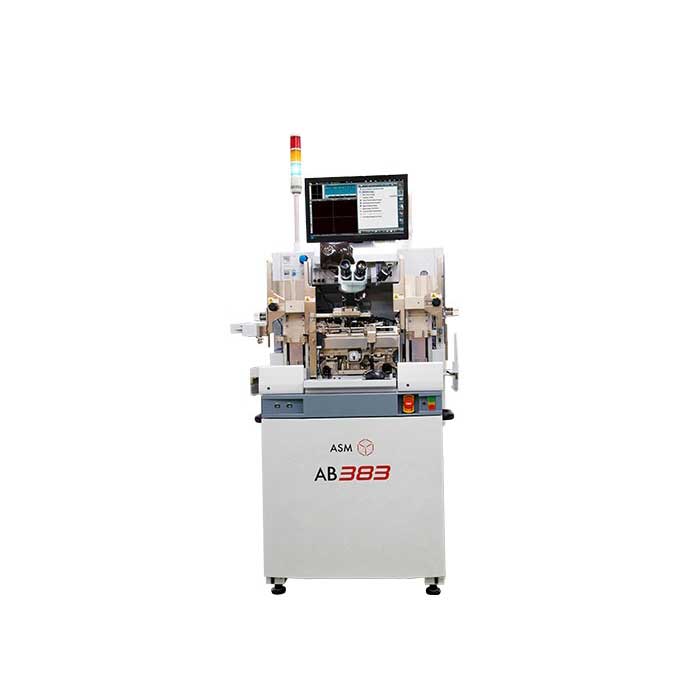
Explore ASMPT AB383 automatic wire bonding machine for LED and semiconductor packaging. Learn features, applications, bo...
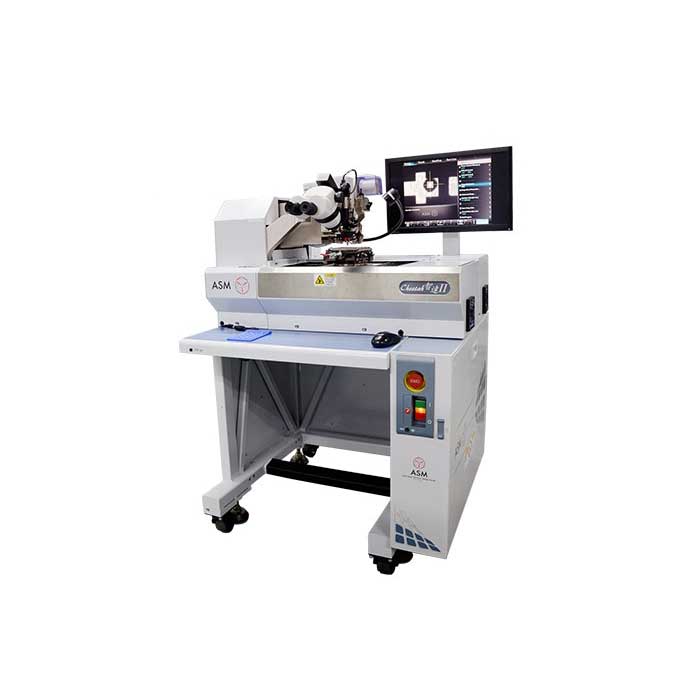
Explore ASMPT Cheetah II automatic wire bonding machine for high-speed semiconductor packaging. Learn features, applicat...
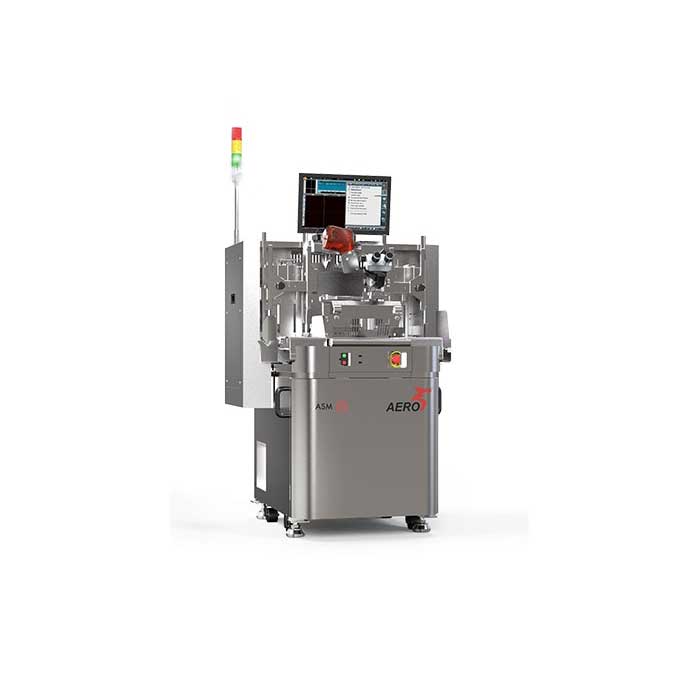
Explore ASMPT AB589 fully automatic wire bonding system for high-volume IC assembly. Learn features, applications, and s...
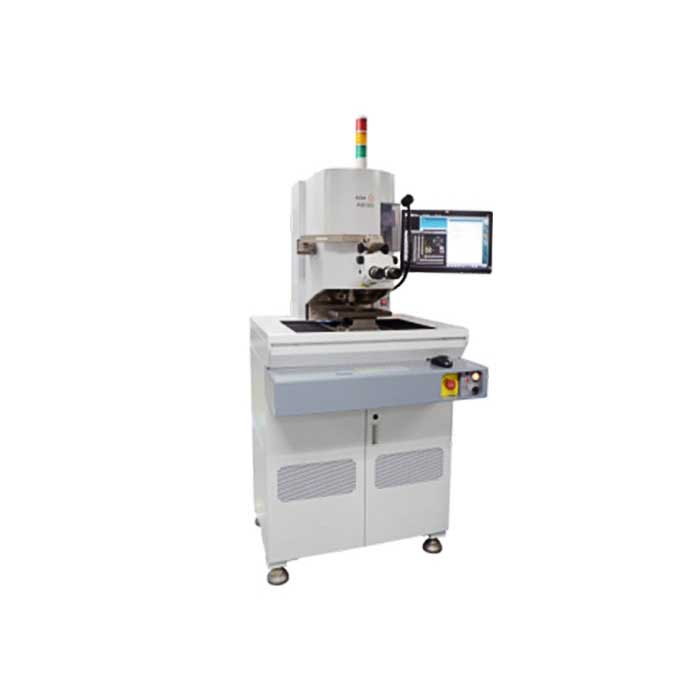
Explore the ASMPT AB589 fully automatic wire bonding system designed for high-volume IC assembly. Learn about features, ...
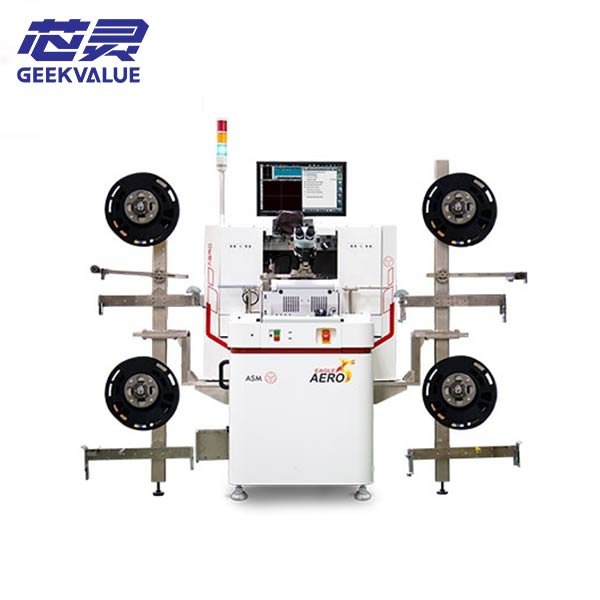
Evaluate the ASM Eagle Aero reel-to-reel wire bonder for continuous tape-carrier semiconductor packaging. Delivers high-...
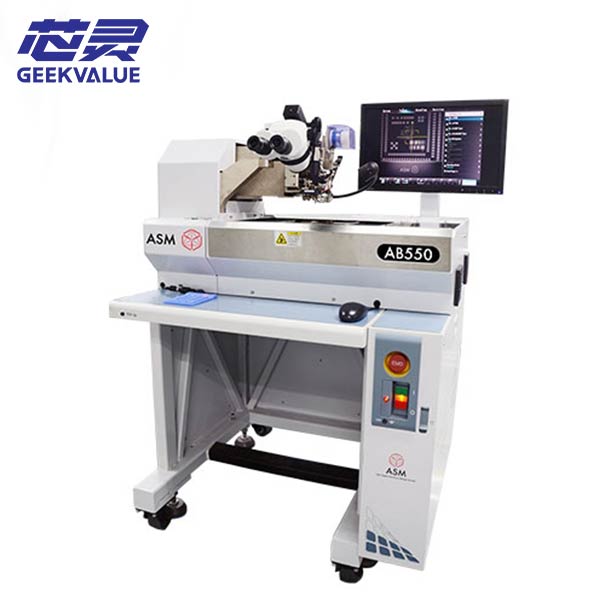
Evaluate the ASM AB550 wire bonder for mainstream discrete device and IC packaging. Delivers stable copper and gold wire...
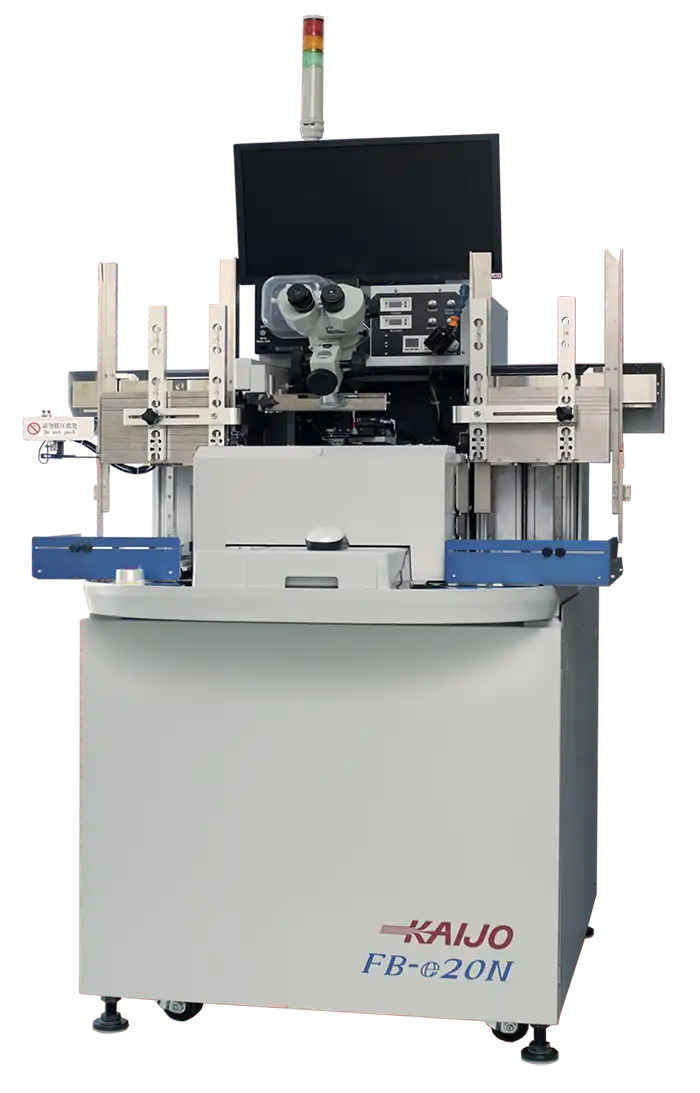
Evaluate the KAIJO FB-e20N wire bonder for mainstream discrete device and IC packaging. Delivers stable copper and gold ...
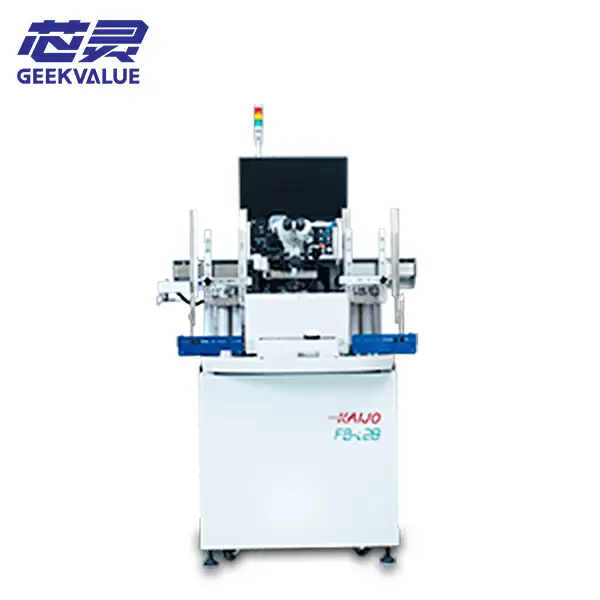
Evaluate the KAIJO FB-i28 wire bonder for high-density and stacked-die semiconductor packaging. Features fine-pitch bond...
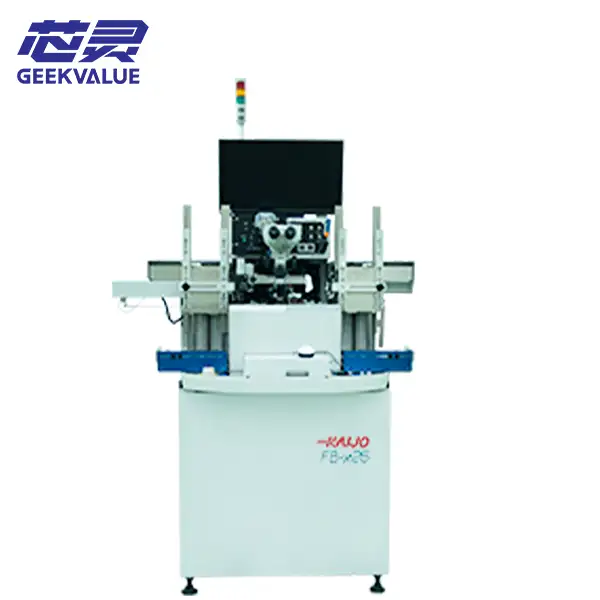
Evaluate the KAIJO FB-x26 wire bonder for high-volume semiconductor packaging. Supports stable gold and copper wire bond...
The right choice depends on whether your priority is operator flexibility or repeatable production. A manual wire bonder is not simply a cheaper automatic machine; it is designed for a different working method.
Semi-automatic systems sit between the two: the operator may load or align the work, while programmable motion and stored parameters improve repeatability.
| Comparison | Manual / Semi-Automatic | Automatic |
|---|---|---|
| Typical use | R&D, laboratory work, repair, process development and low-volume production. | IC, LED, discrete device and other repeated semiconductor packaging production. |
| Operator involvement | The operator positions or guides the work and may control each bond. | Vision, programmed motion and material handling complete repeated bond sequences. |
| Changeover | Flexible for changing samples, devices and experimental work. | Best when recipes, workholders and handling formats are prepared for recurring products. |
| Output | Lower throughput and more dependent on operator skill. | Higher production capacity with stronger repeatability and process monitoring. |
| Investment | Usually lower, but tooling, microscope, workholder and options still affect cost. | Higher and strongly influenced by vision, software, bond head and handling configuration. |
| Best fit | Choose this route when flexibility and direct operator control matter most. | Choose this route when output, consistency, traceability and automation are priorities. |
Public listings show a very wide price spread. Older manual and incomplete systems may appear in the low-thousands, refurbished manual bonders can reach five figures, and production automatic wire bonders are frequently quote-only. The meaningful comparison is therefore the price of a verified machine with the configuration you actually need.
Contact Us for the Latest Price ->Listings may mix manual bonders, automatic production systems, parts-only machines, refurbished equipment and incomplete tools. A low asking price does not show whether software, workholders, EFO, vision, tooling or accessories are included.
There is no single price curve for every model. Older equipment can depreciate, while verified automatic systems, copper-capable configurations and machines with usable software, tooling and parts support can retain stronger value. Newer platforms also cost more as vision, handling and process-control functions become more advanced.
We quote according to the manufacturer, model, year, condition, installed configuration, included accessories and delivery requirement. This helps avoid a low headline price followed by missing tooling, software or refurbishment costs.
Both are wire bonding machines, but their tools, wire-feed direction, material range and common applications are different. Confirm the bonding method before comparing manufacturers or speed.
A ball bonder normally uses a capillary and fine wire to connect a die pad to a leadframe or substrate. Automatic ball bonding is widely used in IC, LED and discrete semiconductor packaging.
A wedge bonder uses a wedge tool and may be selected for fine wire, heavy wire or ribbon applications. It is often considered for power devices, hybrids, RF products and specialized assemblies.
You do not need a complete specification. Start with the product you are bonding and the production format. We can then narrow the suitable wire bonding machine and identify the configuration points that still need verification.
Share the package type, pad layout, wire material, wire diameter and leadframe or substrate format.
Tell us the LED package, carrier format, production volume and whether the line requires strip, bowl, tray or reel-to-reel handling.
Provide the pad pitch, loop requirements, package drawing and quality-control expectations so vision and bond-head capability can be reviewed.
Send the current model, workholder or handler interface, software requirement, facility conditions and the reason for replacement.
The lowest purchase price is not always the lowest project cost. Compare availability, condition, software, tooling, support and line compatibility before deciding which supply route is better.
Used equipment can be practical for replacing an existing model, expanding a familiar line or controlling capital cost.
A refurbishment scope should be specific. Ask what was cleaned, replaced, calibrated, tested and documented before shipment.
New equipment may be more suitable when current process support, advanced automation, factory integration or a long service horizon is essential.
Common requests include ASM / ASMPT, Kulicke & Soffa, KAIJO, West Bond, Hesse and other wire bonding equipment brands. The live product section shows current listings; additional models can be sourced according to availability.
Use these links when your project also involves die placement, surface preparation, flip-chip assembly, tooling or a broader semiconductor packaging line.
Quick answers to common questions about operation, machine type, price and purchasing.
It creates electrical interconnections between semiconductor die pads and a leadframe, substrate or package terminal using fine wire or ribbon, depending on the bonding process.
A manual wire bonder relies more heavily on operator positioning and control, making it useful for laboratories, repair and low-volume work. An automatic wire bonder uses vision, programmed motion and material handling for repeatable production.
Price varies widely by machine type, manufacturer, model, age, condition, bond head, software, handling system and included tooling. Contact us with the model or application for a current configuration-based quotation.
No. They use different tools and bonding motions and may support different wire materials, diameters and applications. The intended process should be confirmed before selecting a model.
Not automatically. Material support depends on the bond head, EFO, gas setup, tooling, software, transducer and process package installed on the actual machine.
Check the full model, year, serial number, software, licenses, bond head, vision system, handling configuration, workholders, tooling, included accessories, operating condition and refurbishment scope.
A capillary is the precision tool that guides fine wire and forms the bonds in a ball bonding process. Capillary geometry must match the wire, pad, pitch, loop and package requirements.
Send the manufacturer or model if known, product or package type, bonding method, wire material, wire diameter, production format, preferred equipment condition, quantity and destination.
Send a model number or describe the package, wire material and production requirement. We will review available equipment, confirm the supply scope and prepare a quotation based on the actual machine.