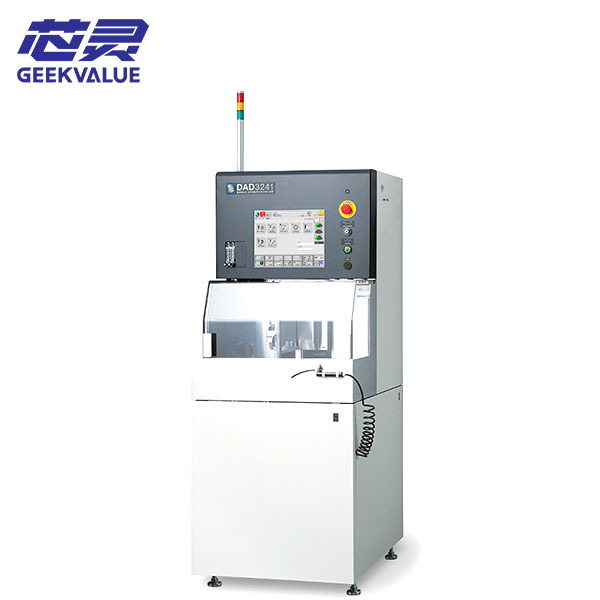
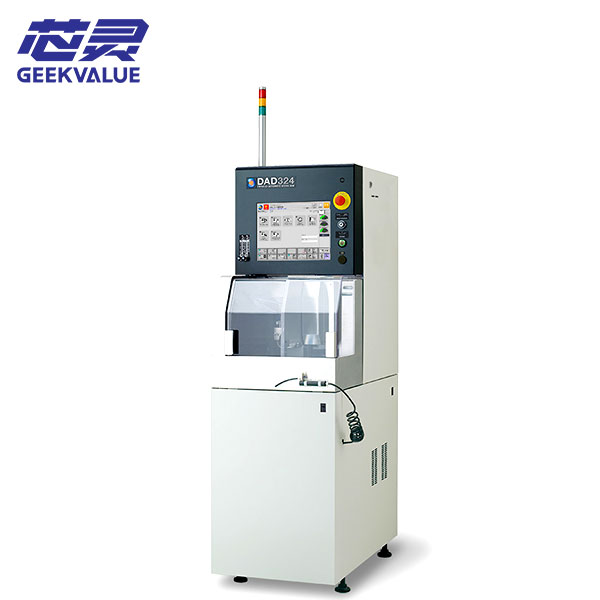
Automatic wafer saw machine for semiconductor wafer dicing
Precision Wafer Dicing Equipment

Wafer Saw Machines for Semiconductor Wafer Dicing

A wafer saw is a precision dicing system used to separate processed wafers into individual dies or create controlled grooves before downstream manufacturing. Compare machine types, cutting methods, process requirements and available support to identify a practical solution for your wafer, frame and production target.

Blade Dicing Saws Automatic and Semi-Automatic Wafer, Frame and Process Matching Machines, Parts and Recovery Support
Equipment Overview

What Is a Wafer Saw?

The useful definition begins with the production task: controlled separation of a mounted wafer while protecting die edges, street position and downstream handling.

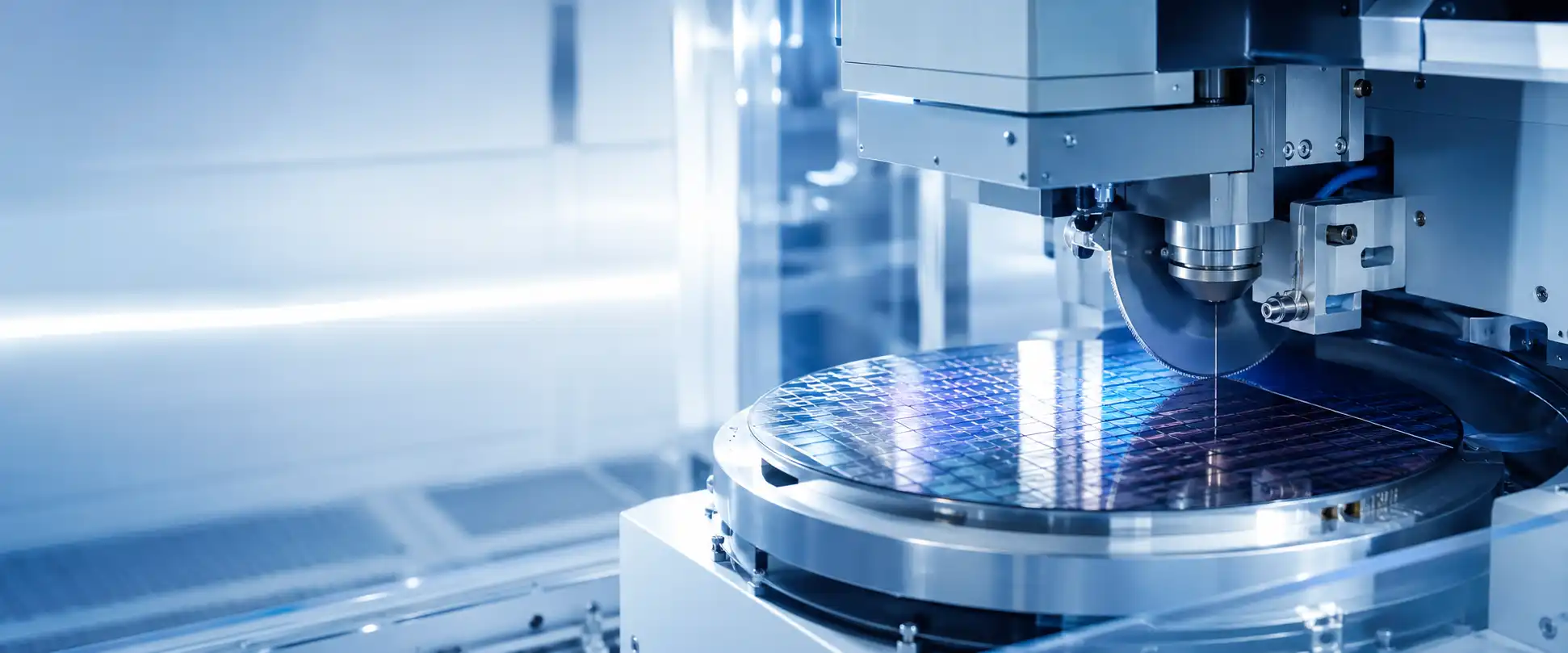
A wafer saw, also called a wafer dicing saw or dicing saw, is a precision machine that aligns a wafer, controls the cutting path and uses a high-speed blade or another qualified dicing method to separate the wafer into individual semiconductor dies. The complete result depends on the machine, spindle, blade, chuck table, tape, frame, vision system, water delivery and process settings working as one system.

Precision PositioningVision, alignment and motion systems keep the cut centered on the intended street.
Controlled CuttingSpindle speed, feed, blade condition and cut depth affect kerf and edge quality.
Stable WorkholdingFrame, tape, chuck table and vacuum prevent movement during the cutting cycle.
Cleaning and InspectionWater, debris removal, drying and kerf inspection help protect the final dies.
Wafer saw vs. dicing saw: both terms commonly describe precision semiconductor cutting machines used for wafer singulation. The exact fit depends on the workpiece, cut type, spindle configuration, automation and installed options.
Production Applications

Where Wafer Saw Machines Are Used

The selected wafer saw and recipe must match the material, wafer structure, street width, die geometry, mounting method and quality target. A machine label alone does not define whether the platform fits the process.

01

Silicon IC Wafers

Blade dicing is widely used for established silicon wafer singulation where street layout, die thickness and edge quality are already qualified.

  • Logic, memory and analog devices
  • Full cut, half cut and step cut
  • Mounted wafer and frame handling
02

Power and Compound Semiconductor

Harder or more brittle materials may require careful blade, spindle, cooling and process selection to control chipping and cracking.

  • SiC and GaN-related processes
  • Thin or stress-sensitive structures
  • Material-specific blade selection
03

Sensors, MEMS and Specialty Devices

Delicate structures, cavities, coatings and small streets can make workholding, contamination control and alignment especially important.

  • MEMS and sensor wafers
  • Optical and specialty devices
  • Controlled cleaning requirements
04

Ceramic, Glass and Substrates

Selected dicing platforms can also support ceramic, glass or substrate workpieces when the material, fixture and cutting method are qualified.

  • Ceramic components
  • Glass and optical substrates
  • Panels and mounted workpieces
How the System Works

Wafer Saw Operation in Six Connected Stages

A stable wafer dicing operation connects mounting, workholding, alignment, cutting, cleaning and inspection. Each stage affects the final kerf position, edge quality and die condition.

STEP 01

Mount the Wafer

The wafer is secured to suitable dicing tape and a compatible frame or fixture.

STEP 02

Load and Hold

The machine loads the mounted workpiece and stabilizes it on the chuck table.

STEP 03

Align the Streets

Vision and alignment functions identify the cutting pattern and establish position.

STEP 04

Execute the Cut

The spindle, blade, motion axes and recipe control feed, speed and depth.

STEP 05

Clean and Dry

Water and cleaning stages remove debris while protecting the mounted dies.

STEP 06

Inspect the Result

Kerf position, chipping, depth and visible die condition are checked before release.

Planning or reviewing the complete production flow?

Follow the full sequence from wafer preparation and mounting through cutting, cleaning, drying and final inspection.

View Wafer Cutting Process
Selection Framework

Match the Wafer Saw to the Process Before Matching the Brand

The right machine must preserve the required cut, wafer and frame workflow, factory utilities and inspection functions. A familiar model name is useful, but configuration details decide whether the actual unit is practical.

  • Start from material, wafer size and thickness.
  • Define full cut, grooving, half cut or step cut.
  • Confirm spindle, table, vision and handling functions.
  • Separate process problems from machine faults.
  • Review the actual serial-numbered unit before purchase.
Selection FactorWhat to ConfirmWhy It Matters
WorkpieceMaterial, diameter, thickness, wafer structure and street width.These conditions affect the cutting method, blade, fixture, recipe and machine range.
Cut RequirementFull cut, half cut, grooving, step cut, cut depth and required edge quality.The result determines the spindle, axes, blade and process functions that must remain available.
Mounting and FrameTape type, frame format, chuck-table compatibility and loading method.Stable workholding is necessary for position, depth and repeatable die separation.
Spindle and BladeSingle or dual spindle, speed range, flange, blade specification and cooling arrangement.The cutting system influences throughput, chipping, kerf and material compatibility.
Vision and InspectionAlignment method, camera, lighting, kerf check and focus functions.These functions help maintain street position and identify changes during production.
AutomationManual, semi-automatic or automatic loading, recipe control and line integration.Automation must match production volume, operator workflow and surrounding equipment.
Actual Machine ConditionInstalled options, missing accessories, alarms, repair history and inspection evidence.Used machines with the same model number can differ significantly in readiness and total project cost.
Equipment and Production Support

Connect the Wafer Saw Requirement with the Machine Behind It

Semimachine can begin with an exact model, an installed-machine nameplate, a required process, a failed module or a capacity requirement. The enquiry can then stay connected with the equipment, parts, repair and delivery work actually needed.

Exact Model SearchCheck current and unlisted equipment when the existing process should change as little as possible.
Process-Based MatchingStart from wafer, frame, cut type, spindle, vision, handling and automation requirements.
Parts and Module SupportIdentify spindles, flanges, tables, cameras, sensors, drives, boards and utilities by reference.
Repair or ReplacementCompare a part, repair, module exchange or another machine when production recovery is urgent.
Actual Unit Review

Configuration Before Quotation

Confirm the serial-numbered machine, installed options, spindle, chuck table, vision, handling, software, accessories and available inspection information.

Current and Legacy Platforms

Search Beyond Visible Inventory

An enquiry can begin with a manufacturer, complete model, old nameplate, required function or installed-platform reference when the machine is not shown online.

Export Project Scope

Packing, Delivery and Follow-Up

Where applicable, the project can include missing accessories, preparation, export packing, international shipment coordination and later spare-parts communication.

Useful Enquiry Information

Send Enough Detail to Check the Right Wafer Saw Route

A model number is helpful, but the strongest request combines equipment identity with the workpiece, cutting result, configuration and project destination.

Machine IdentityManufacturer, complete model, serial number or clear nameplate photo.
Wafer and MaterialMaterial, diameter, thickness, frame and dicing-tape information.
Cut RequirementFull cut, grooving, step cut, depth, street width and edge-quality target.
Required ConfigurationSpindle, table, vision, handling, software and automation functions.
Condition and ScopeNew, used or refurbished preference, inspection, accessories and preparation needs.
Fault or Part ReferenceAlarm, symptom, part number, module label, photos or short operating video.
Quantity and TimingRequired quantity, production urgency and preferred recovery direction.
DestinationDelivery country, factory voltage, packing and shipment requirements.
Wafer Saw Questions

Frequently Asked Questions About Wafer Saw Machines

These answers cover common questions about wafer saw applications, machine selection, used equipment, cut quality and support. Send the model and production details when a unit-specific review is required.

Is a wafer saw the same as a dicing saw?

The terms are often used for the same precision semiconductor cutting platform, especially for blade-based wafer singulation. “Wafer saw” emphasizes the workpiece, while “dicing saw” emphasizes the separation process. The exact machine still needs to be checked by model, configuration and application.

What materials can a wafer saw cut?

Depending on the machine, blade, fixture and qualified process, applications may include silicon, selected compound-semiconductor materials, ceramic, glass, optical substrates and related mounted workpieces. Material compatibility should not be assumed from the machine name alone.

What is the difference between a wafer saw machine and wafer dicing equipment?

A wafer saw machine usually refers to a specific cutting machine or model. Wafer dicing equipment is a broader category that may include blade dicing saws, laser systems, stealth dicing, plasma dicing and supporting automation.

What affects wafer dicing quality?

Cut quality can be influenced by the wafer and mounting, blade specification and condition, spindle, feed, cut depth, alignment, chuck-table vacuum, cooling water, debris control and the condition of the machine. The defect pattern should be reviewed before changing several parameters at once.

How do I choose a wafer saw machine?

Start with material, wafer size, thickness, frame, cut type, street width, quality target and required throughput. Then compare spindle arrangement, chuck table, vision, handling, automation, factory utilities and the actual condition of the available machine.

Can a used wafer saw be suitable for production?

A used or refurbished machine can be practical for replacing an installed model, adding capacity or maintaining a qualified legacy process. The decision should be based on the actual unit, installed configuration, condition, missing accessories, inspection information and preparation scope.

Can parts and repair be requested with the machine?

Yes. A project may include the complete wafer saw together with spindles, flanges, chuck tables, cameras, sensors, pumps, drives, boards or other machine-specific parts. A fault case may also compare repair, module exchange and replacement-equipment options.

What information is needed for a wafer saw quotation?

Provide the target manufacturer and model when known, required configuration, wafer and process details, preferred machine condition, quantity and destination. For an existing machine, include the nameplate, installed options, fault information or required replacement functions.

Start with the Wafer, the Machine or the Problem You Need to Solve

Send the manufacturer, model, nameplate, workpiece, cutting requirement, required configuration, part reference and destination. Semimachine can check visible and unlisted equipment together with related parts, repair and delivery options for the specific project.

Request Wafer Saw Support