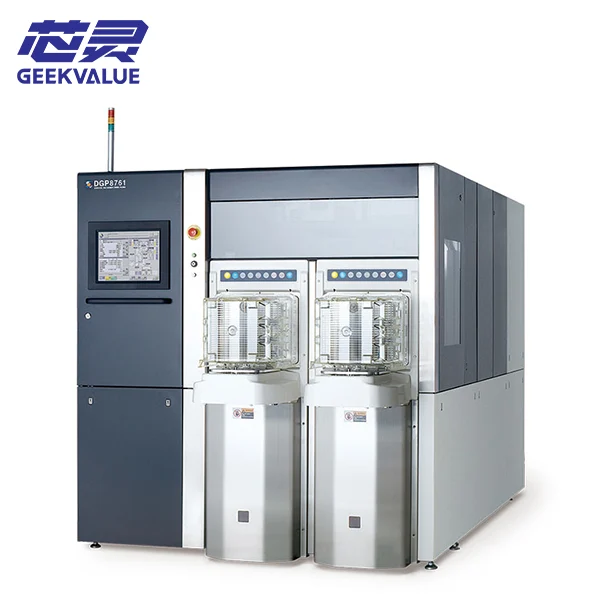
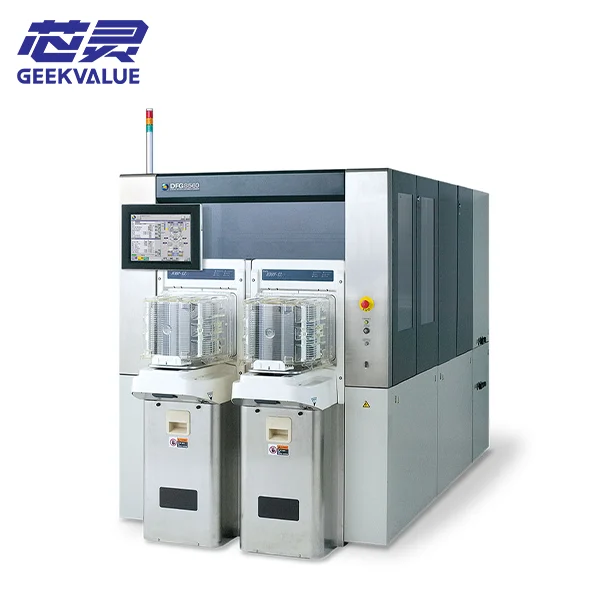
Wafer Thinning Equipment

Wafer Grinder Machines for Back Grinding and Wafer Thinning

A wafer grinder removes material from the wafer backside to reach the required thickness, total thickness variation and surface condition before dicing, stacking or advanced packaging. Browse available semiconductor wafer grinding machines and compare process routes for silicon, SiC, compound semiconductor, bumped and other sensitive wafers.

Wafer Back Grinding Ultra-Thin Wafer Processing Si & SiC Wafers Semi-Automatic to Fully Automatic
Process Route First

Choose the Thinning Route Before Comparing Model Names

The same wafer grinder is not automatically suitable for conventional back grinding, TAIKO processing and a Dicing Before Grinding line. Final thickness, edge support, singulation order and downstream handling change the required machine and process package.

Tell us the wafer structure and the next production step. We can then narrow the grinder, tape, wheel, chuck table, handling and post-grind requirements.
ROUTE 01

Conventional Wafer Back Grinding

Used for controlled backside material removal before dicing or package assembly. Selection depends on wafer size, target thickness, rough and fine grinding stages, wheel choice, thickness measurement and wafer handling.

ROUTE 02

TAIKO® Grinding

The inner wafer area is thinned while an outer support ring is retained. This route can reduce handling risk and warpage for very thin wafers, but it requires a compatible machine, chuck table and validated process package.

ROUTE 03

DBG-Linked Wafer Thinning

In a Dicing Before Grinding route, partial dicing is performed before backside grinding. Grinder selection must be coordinated with the Dicing Saw, protective tape, frame mounting and downstream cleaning process.

Current Equipment

Available Wafer Grinder Machines

Review the current wafer back grinding and thinning equipment. Individual product pages describe the model platform; the actual machine configuration, condition, software, tooling and included accessories should be confirmed in the quotation.

One model name may cover different spindle, chuck, thickness-gauge, loader and process options. Confirm the actual machine before comparing quotations.
Grinding Quality

A Thin Wafer Is Useful Only When Thickness and Damage Stay Under Control

Wafer grinding quality is not defined by final thickness alone. TTV, surface damage, edge condition, warpage, breakage risk and downstream die strength must be reviewed together.

01Final Thickness & TTV

Machine geometry, chuck condition, spindle stability, in-process measurement and wheel selection influence thickness uniformity.

02Surface and Subsurface Damage

Rough and fine grinding remove material at different rates. Stress-relief polishing or another finishing step may be needed for the required die strength.

03Warpage and Breakage

Very thin, bonded, bumped or structured wafers require suitable tape support, chuck contact, handling and edge protection.

04Particles and Post-Grind Cleaning

Grinding debris, DI-water management and cleaning affect the next step. Coordinate the grinder with the Wafer Cleaner route.

Material and Structure

The Wafer Changes the Grinder Requirement

Hardness, brittleness, surface structure and bonded layers change spindle load, wheel selection, removal rate, cooling and handling. Confirm the actual wafer rather than relying on a general material label.

Wafer Type
Main Risk
What to Confirm
Standard Silicon
Thickness uniformity
Diameter, target thickness, TTV, rough/fine grinding sequence, tape and post-grind process.
SiC, GaN & Sapphire
Hard and brittle material
Spindle rigidity and power, compatible wheel, removal rate, heat control, edge chipping and process qualification.
Bumped, TSV or MEMS Wafer
Front-side structure damage
Protective tape, chuck contact, bump/cavity clearance, warpage, handling and cleaning compatibility.
Bonded or Temporary-Bonded Wafer
Stack stress and delamination
Bond stack, carrier material, adhesive temperature limits, total stack thickness, flatness and debond sequence.
Automation Level

Match the Grinder to the Production Stage

Automation is not simply a choice between manual and automatic. The correct route depends on wafer risk, lot size, recipe stability, cassette handling, measurement, traceability and integration with mounting, polishing or dicing.

For a replacement project, include the existing wafer size, cassette or carrier, factory interface and required takt time so compatibility can be checked before shipment.
R&D / PILOT

Semi-Automatic Wafer Grinder

Useful for process development, low-volume production, difficult materials and projects that need operator control or flexible sample loading.

VOLUME

Fully Automatic Wafer Grinder

Supports cassette loading, automated transfer, recipe control, thickness measurement and repeatable production for qualified wafer flows.

INTEGRATED

Grinding, Polishing or DBG Line

Coordinates wafer mounting, grinding, stress relief, frame mounting, cleaning and dicing when ultra-thin handling requires a connected process route.

Used Equipment Review

Verify the Actual Wafer Grinder, Not Only the Model Name

Used wafer grinder prices and suitability depend on the installed hardware, process history, maintenance condition and accessories. A quotation should identify the machine that will actually be supplied.

01 / IdentityModel, Year and Serial Number

Confirm the complete model, production year, serial information, current location and operating status.

02 / Grinding HardwareSpindles, Chuck Tables and Wheels

Review spindle count and condition, chuck size, chuck surface, wheel mounts, dresser and compatible wafer diameter.

03 / MeasurementThickness Gauge and TTV Control

Identify contact or non-contact measurement, calibration status, automatic compensation and available process data.

04 / HandlingLoader, Robot and Thin-Wafer Support

Check cassette type, aligner, transfer robot, tape route, end effector and compatibility with fragile or ultra-thin wafers.

05 / SoftwareRecipes, Licenses and Factory Interface

Confirm software version, recipe storage, language, SECS/GEM or host communication and included computer hardware.

06 / ConditionMaintenance, Refurbishment and Utilities

Review spindle service, bearings, seals, DI-water and exhaust systems, transformers, manuals, spare parts and refurbishment scope.

Common Questions

Wafer Grinder Selection FAQ

These questions help separate the process route, wafer risk and actual equipment configuration before a quotation is prepared.

What is a wafer grinder used for?

A wafer grinder removes material from the backside of a semiconductor wafer to achieve the required thickness, TTV and surface condition before dicing, stacking, packaging or another downstream process.

What is the difference between wafer grinding and wafer polishing?

Grinding removes bulk material efficiently with a grinding wheel. Polishing or another stress-relief process may be added afterward to reduce the grinding damage layer, improve surface condition and support die-strength requirements.

What is the TAIKO process?

The TAIKO process is a DISCO wafer back-grinding method that leaves an outer support ring while thinning the inner wafer area. It can reduce handling risk and warpage, but requires a compatible machine and qualified process conditions.

Can the same wafer grinder process silicon and SiC wafers?

Not automatically. SiC and other hard, brittle substrates may require different spindle rigidity, power, wheel specification, removal rate, cooling and process qualification. Confirm the actual machine and wheel package.

How much does a used wafer grinder cost?

There is no reliable universal price. Cost depends on the brand, model, year, wafer size, spindle and chuck configuration, thickness gauge, loader, software, maintenance history, refurbishment scope and included accessories. Request a configuration-based quotation.

What information is needed for a wafer grinder quotation?

Send the wafer material and diameter, starting and final thickness, TTV target, wafer structure, preferred process route, automation level, equipment condition, quantity and destination. A preferred model is helpful but not mandatory.
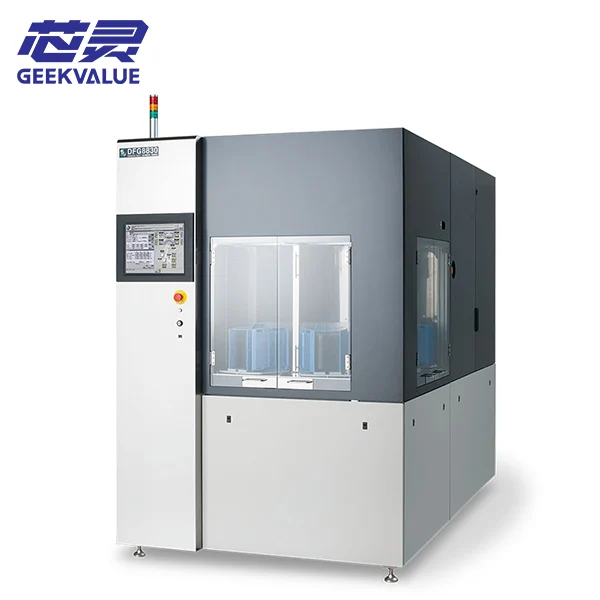
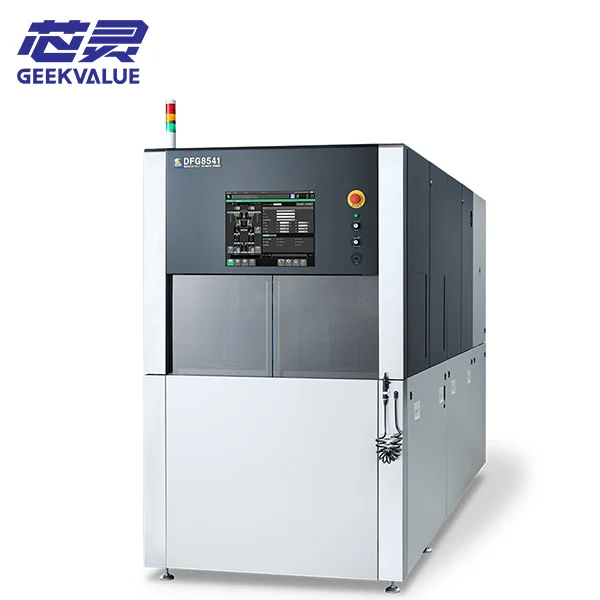
Start With the Wafer, Target Thickness or Grinder Model

Send the wafer material, diameter, target thickness, TTV, process route, automation level, preferred condition and destination. We will review the available equipment and the configuration points that still need confirmation.

Request a Wafer Grinder Quote