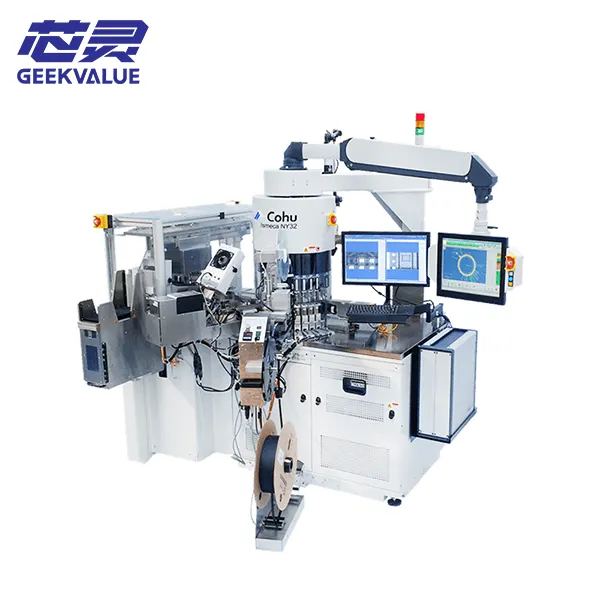
Cohu Ismeca NY32 Test Handler
Pre-owned Cohu Ismeca NY32 test handler. Ask about machine condition, installed tooling, delivery scope, repair support ...
A semiconductor test handler machine automates the loading, temperature conditioning, electrical test presentation and result-based sorting of packaged IC devices. Our available test handler machines support IC final test, tri-temperature testing, pick-and-place handling, gravity feed, turret processing and high-volume semiconductor device sorting. Explore automatic semiconductor test handlers configured for different package types, tester interfaces, production capacities and inspection requirements.
Tray, tube, strip, tape or film-frame input is matched to the package flow.
Ambient, hot, cold or tri-temperature handling prepares the device for test.
The handler positions the device at the contactor and communicates with the ATE.
Pass, fail and graded bins are routed to tray, tube, tape-and-reel or another output.
Review the current semiconductor test handler collection. The suitable machine depends on package format, input and output media, tester interface, temperature range, parallel test sites and the change kit installed on the actual equipment.
Pre-owned Cohu Ismeca NY32 test handler. Ask about machine condition, installed tooling, delivery scope, repair support ...
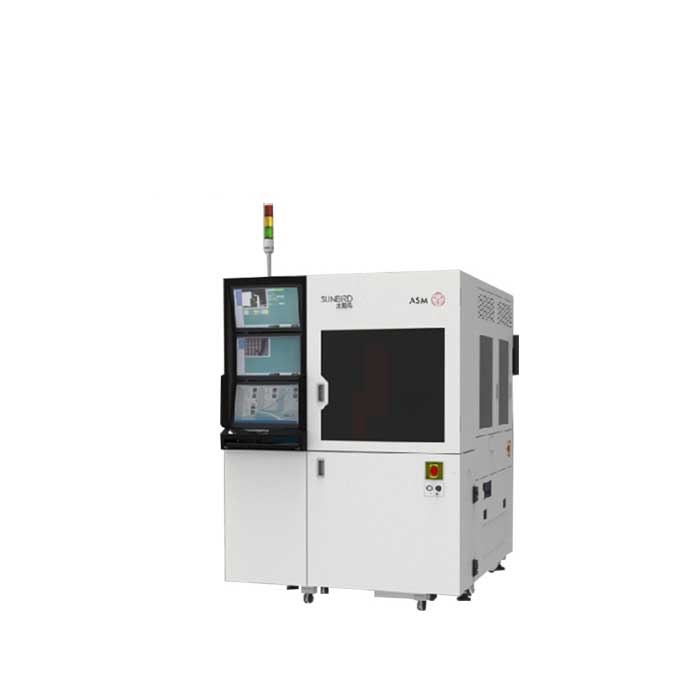
Pre-owned ASM Sunbird X8 turret test handler for semiconductor device handling and sorting. Ask about configuration, con...
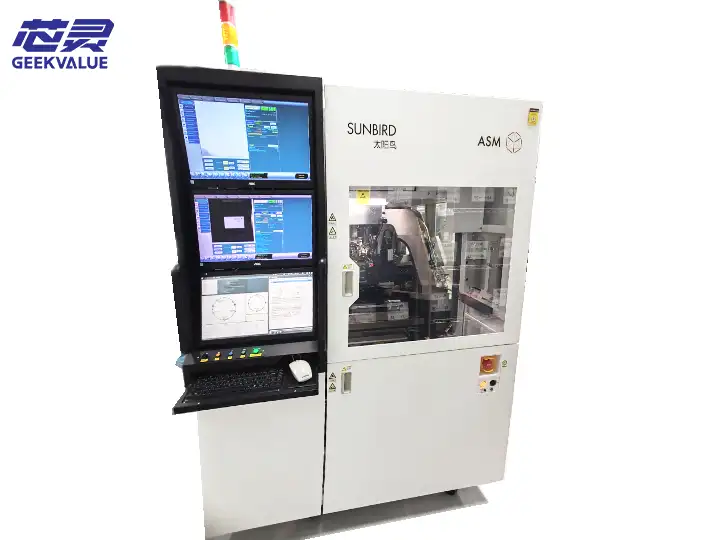
Pre-owned ASMPT SUNBIRD turret wafer-level test system for device handling, vision inspection and sorting. Ask about con...
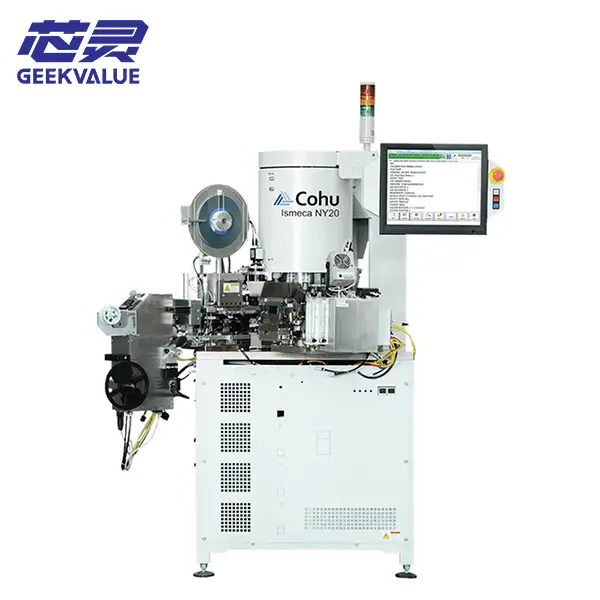
Pre-owned Cohu Ismeca NY20 semiconductor test handler. Ask about machine condition, included tooling, parts, repair supp...
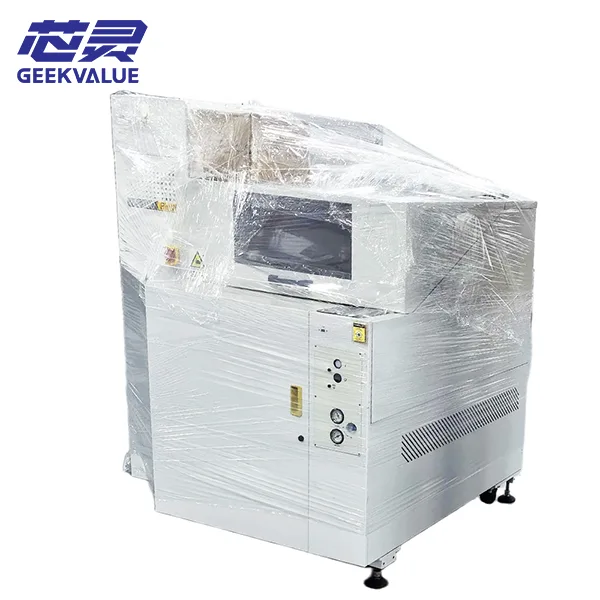
Pre-owned ASM MS100 Plus semiconductor test handler. Ask about machine condition, installed tooling, delivery scope, rep...
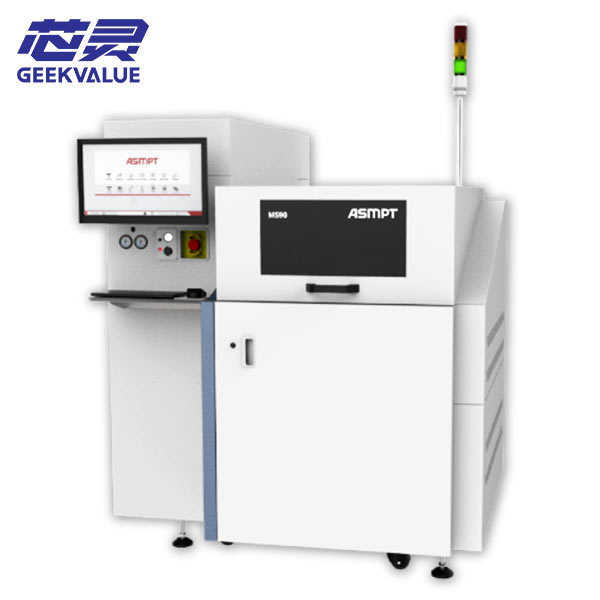
Pre-owned ASMPT MS90 semiconductor sorting machine. Ask about its actual configuration, condition, delivery scope, repai...
The electrical tester is the measurement engine, but the handler determines how consistently devices arrive at the contactor. Poor device flow, slow thermal recovery, contact alignment problems or long package conversions can leave an expensive ATE system underused.
A practical IC test handler comparison therefore looks beyond headline UPH. Buyers should evaluate test-site parallelism, index time, thermal stability, jam recovery, contactor access, changeover time and output sorting together.
Minimize jams, mis-picks and empty test cycles.
Maintain device position and contact force at the test site.
Reach and hold the required device condition before measurement.
Route tested devices to the requested output and grade.
Gravity, pick-and-place, turret and strip or film-frame handlers solve different package-flow problems. The correct architecture depends on device geometry, input media, test temperature, inspection steps and the required output—not on throughput alone.
A test handler does not determine pass or fail by itself. It presents the device to the contactor, controls the test environment and exchanges signals with the tester. A machine that fits the package but cannot dock to the tester or support the required HIFIX, contactor and communication interface is not a complete solution.
Send what is already known. We can help identify the missing compatibility points.
For example QFN, BGA, CSP, SO, power device, MEMS, WLCSP or another package.
Tray, tube, bulk, strip, wafer or film frame, tape-and-reel, sorted tray or another format.
ATE brand and platform, docking direction, HIFIX or interface details and required site count.
Ambient, hot, cold or tri-temperature test, soak needs and device heat dissipation.
Required UPH, parallelism, inspection, marking, grading and package conversion expectations.
Many semiconductor test handlers can be converted between package families, but the real conversion scope depends on the machine platform and the installed change kit. When comparing a used test handler, confirm the package-specific hardware before treating a platform specification as an available configuration.
Check package dimensions, wear condition and whether spare sets are included.
Confirm tester compatibility, site count and mechanical alignment.
Verify licenses, installed modules, communications and enabled functions.
Use these links when the requirement extends beyond the device handler itself.
Review semiconductor testers that generate electrical stimulus, measure device response and assign test results.
Explore wafer-level contact and measurement equipment when testing occurs before packaging and final test.
Find nozzles, boards, motors and replacement components for selected ASMPT and other handling platforms.
Plan the wider test cell around probing, final test, handling, interfaces, parts and project sourcing.
Answers to common questions asked when selecting or sourcing semiconductor final-test handling equipment.
The ATE applies electrical test signals, measures the device and produces the test result. The test handler transports the packaged device, controls its temperature, positions it at the contact interface and sorts it according to the tester result. The two systems must be mechanically and electronically integrated.
Start with the package, input media, temperature range, inspection steps and required output. Pick-and-place systems offer controlled movement and broad package flexibility; turret handlers combine multiple high-speed stations; gravity handlers suit compatible tube-fed packages and track-based movement. No architecture is universally best.
A tri-temperature handler conditions devices for testing at cold, ambient and hot temperatures. Confirm the required temperature range, soak method, thermal stability, device power dissipation and the utilities used by the actual system.
Often yes, but conversion normally requires a compatible change kit, handling hardware, contact interface and recipe. The original platform range does not prove that the available machine includes the parts needed for your package.
Provide the preferred manufacturer and model, package family, dimensions, input and output media, tester platform, temperature range, site count, production target, required condition and destination. Photos or part numbers for an existing change kit are also useful.
They should never be assumed to be included. The quotation should list the handler, installed modules, change kits, HIFIX or docking hardware, contactors, trays, tools, software and spare parts that are supplied.
Send the device package, media format, tester platform, temperature requirement, production target, preferred model and destination. We will review current equipment and the configuration points that must be confirmed.