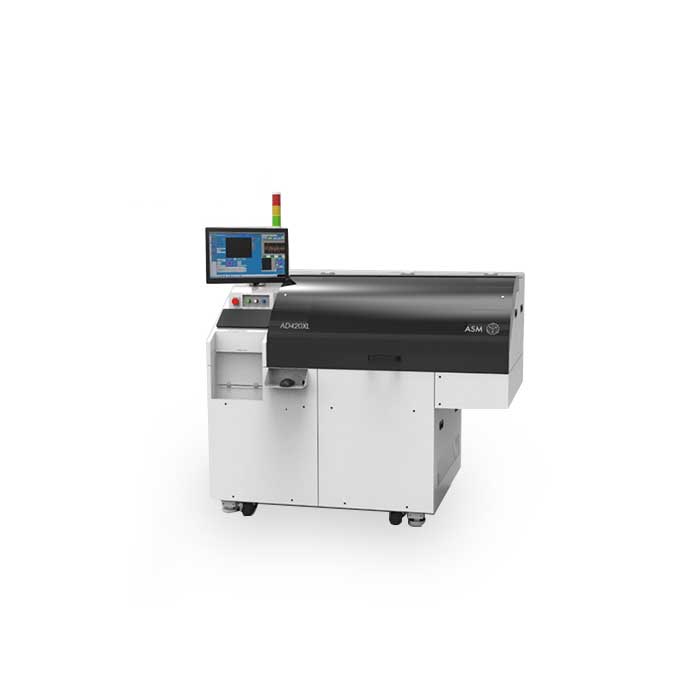
ASMPT / ASM AD420XL Mini LED Die Bonder
Explore the ASMPT AD420XL Mini LED die bonder for LCD backlight and fine-pitch RGB display production. Ask about configu...
Explore die bonder machines for high-precision die placement, epoxy die attach, eutectic bonding, flip chip assembly and advanced semiconductor packaging. We help match available equipment to your device type, process material, accuracy target, throughput requirement and existing production line.
Browse available automatic and semi-automatic die bonding equipment for semiconductor assembly, IC packaging, power devices, LED production, MEMS, sensors and optoelectronic applications. Product availability, installed options and machine condition should be confirmed before purchase.
Explore the ASMPT AD420XL Mini LED die bonder for LCD backlight and fine-pitch RGB display production. Ask about configu...
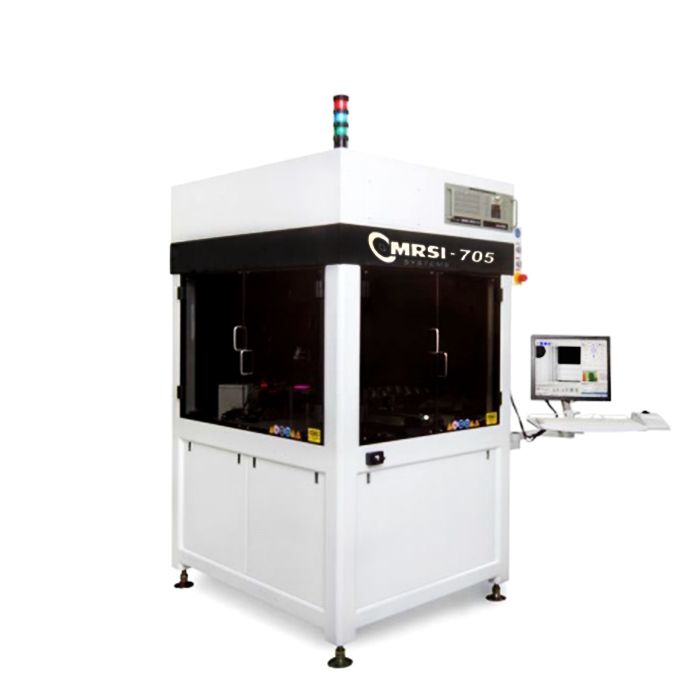
Evaluate MRSI Systems die bonders for high-precision optoelectronics, RF, and MEMS packaging. Flexible multi-process mod...
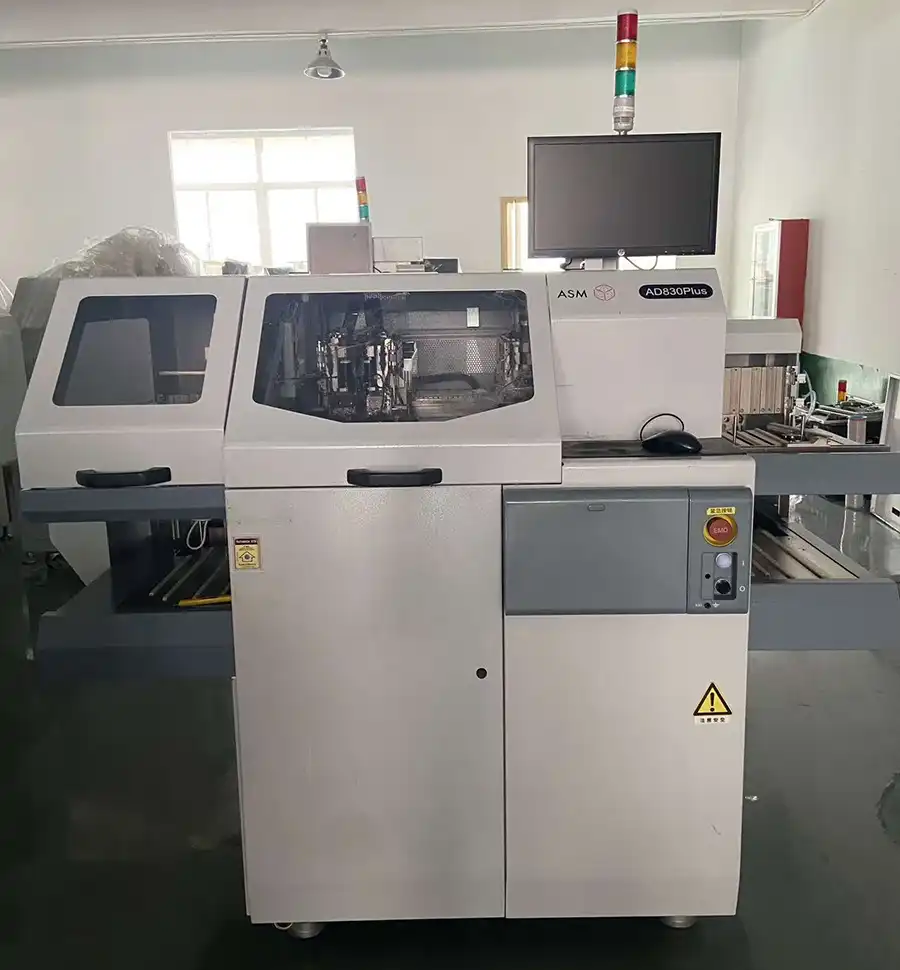
ASM AD830 Plus automatic die bonder with up to 22,000 UPH, rotary collet bonding, PR inspection and
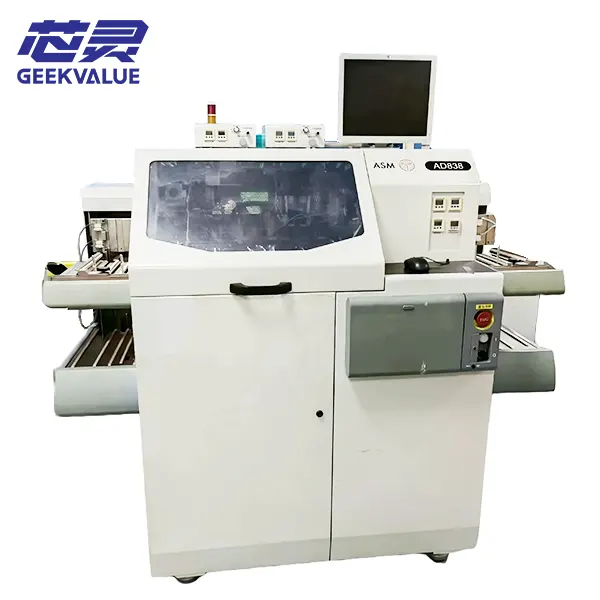
Evaluate the ASM AD838 die bonder for high-volume LED and discrete packaging. Delivers stable throughput and precise epo...
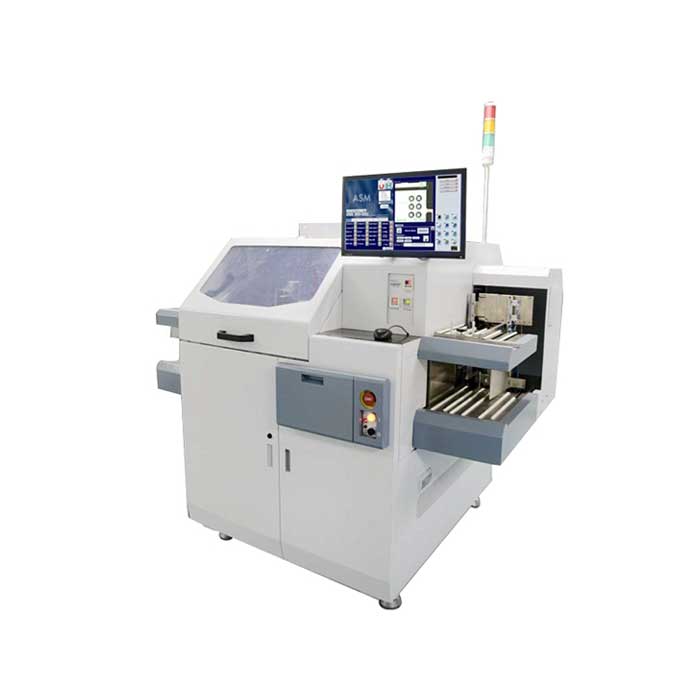
Maximize yield with the ASMPT AD838L Plus dual-process die bonder and flip chip system. Engineered for high-density adva...
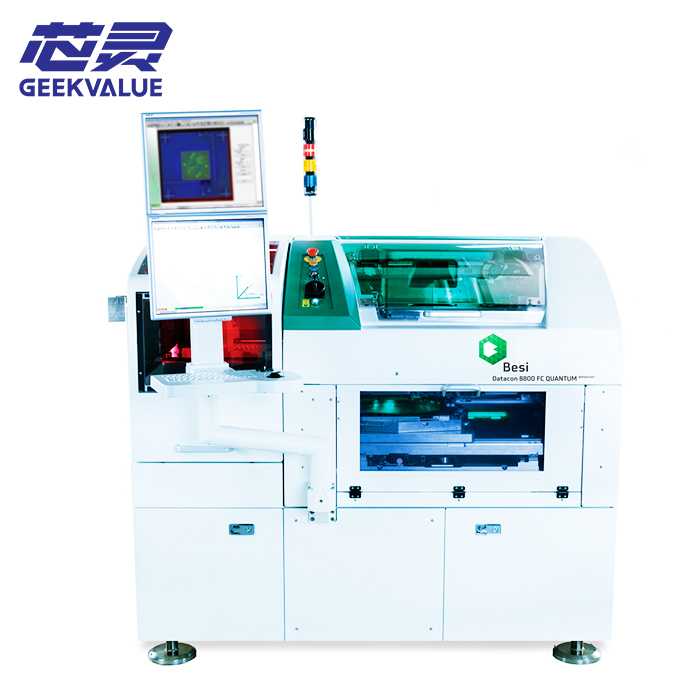
Evaluate the BESI Datacon 8800 advanced flip chip die bonder for high-density semiconductor packaging. Ensures sub-micro...
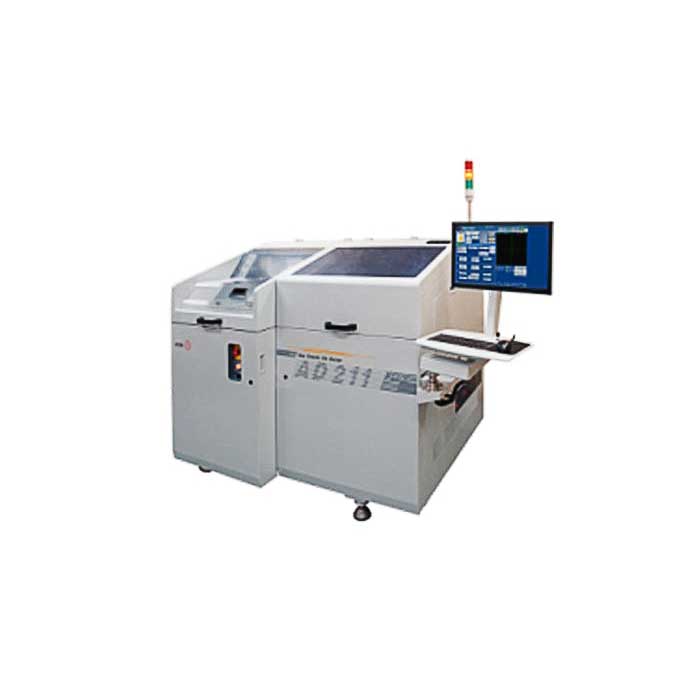
Evaluate the ASMPT AD211 Plus fully automatic eutectic bonder for void-free RF and power semiconductor packaging. Ensure...
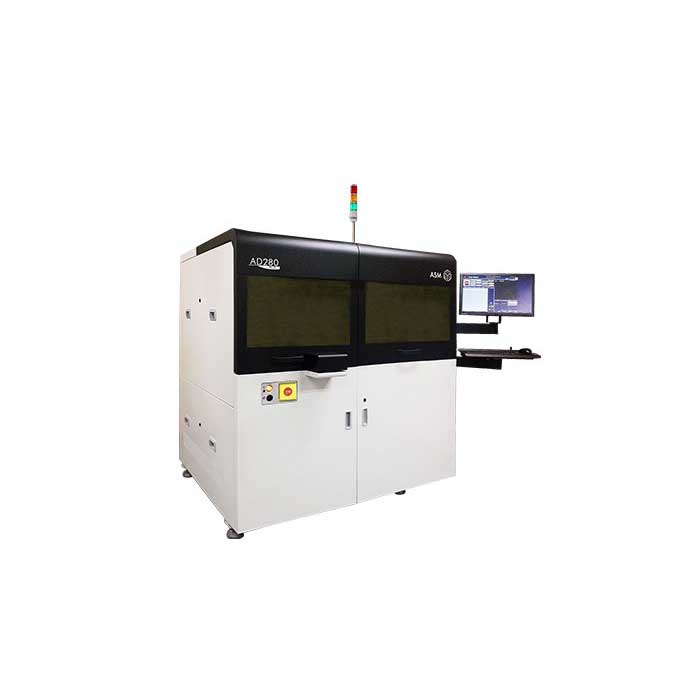
Evaluate the ASMPT AD280 Plus high-precision die bonder for sensor and optoelectronic manufacturing. Delivers micron-lev...
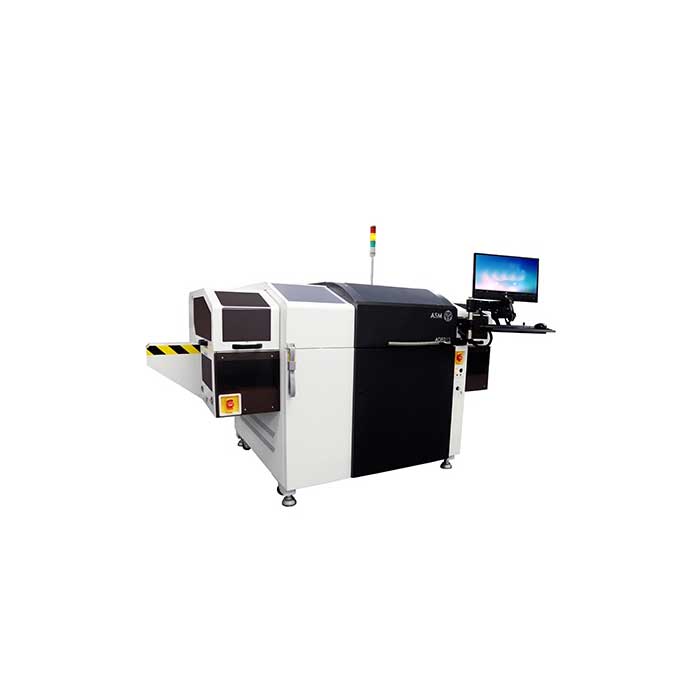
Evaluate the ASMPT AD8312 Plus die bonder for high-volume semiconductor packaging. Delivers stable epoxy die attach for ...
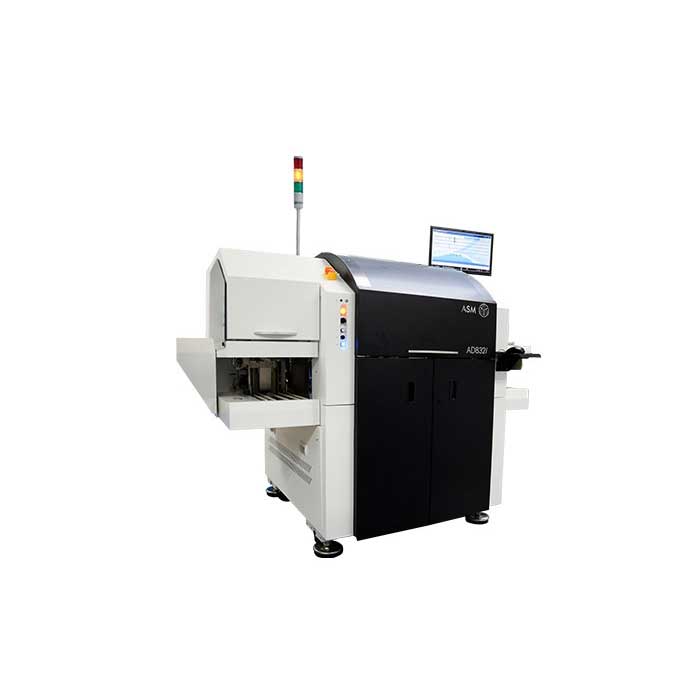
Evaluate the ASMPT AD832i multi-process die bonder for high-mix semiconductor packaging. Supports both epoxy and eutecti...
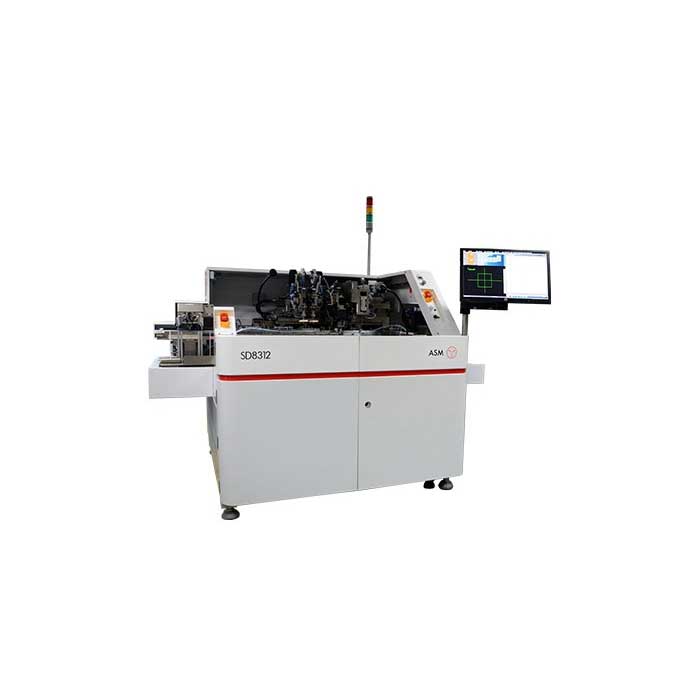
Evaluate the fully automatic ASMPT soft tin die bonder for void-free IGBT and power module assembly. Ensures superior th...
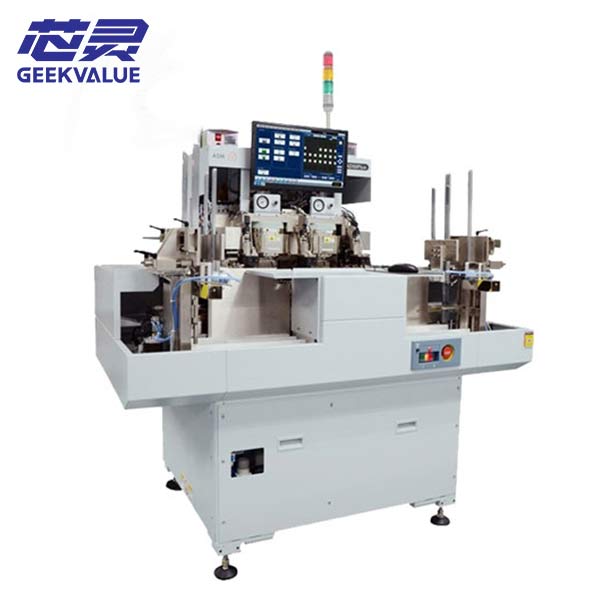
Evaluate the ASM AD50Pro die bonder for LED and advanced discrete packaging. Balances high throughput with micron-level ...
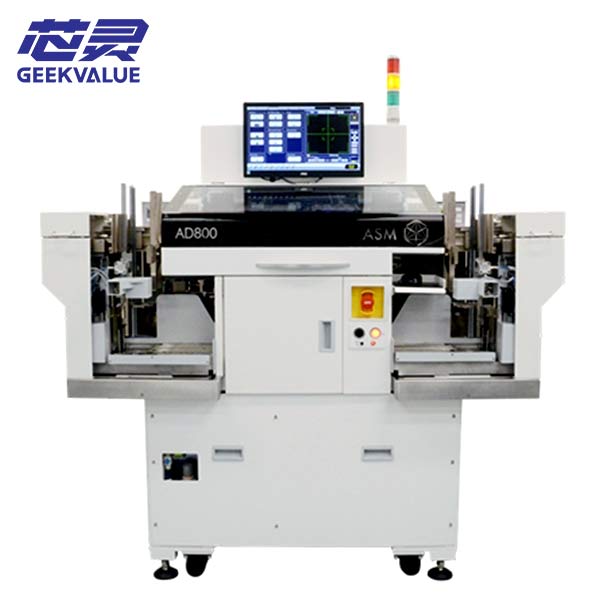
Evaluate the ASM AD800 die bonder for high-volume semiconductor packaging. Ideal for power discrete and standard IC lead...
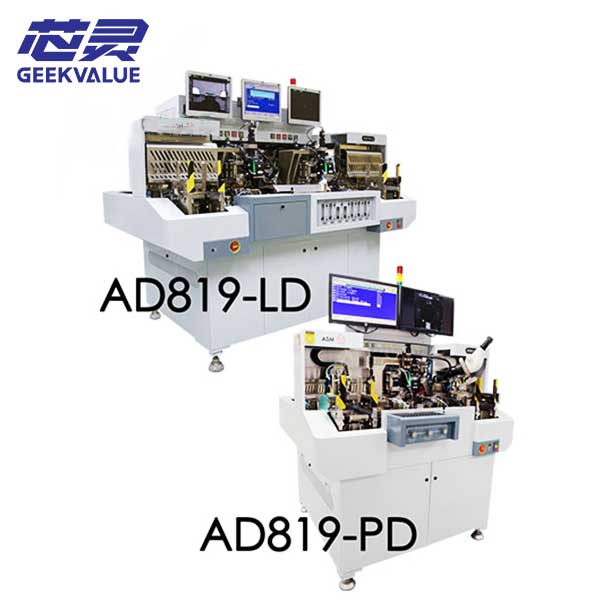
Evaluate the ASM AD819 die bonder for sub-micron precision in sensor and optoelectronic packaging. Supports eutectic and...
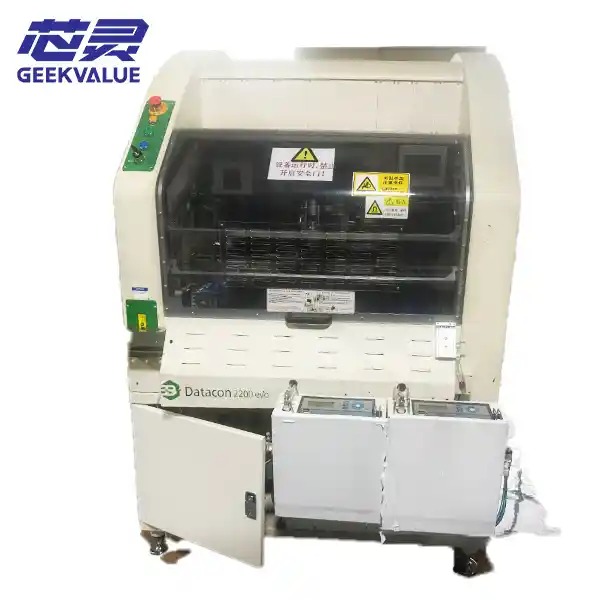
Evaluate the BESI Datacon 2200 EVO die bonder for multi-process semiconductor packaging. Supports epoxy, eutectic, and s...
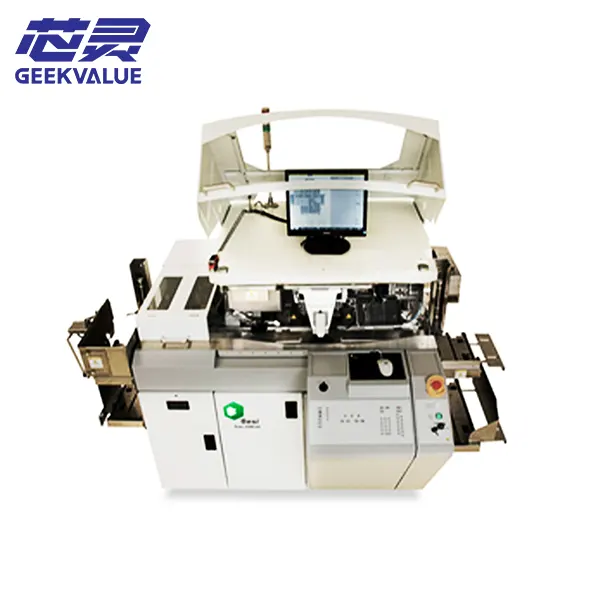
Explore the BESI ESEC 2100 hS die bonder for high-volume semiconductor packaging. Get technical specs, application detai...
The MRSI-705 is a high-precision, configurable die bonding platform for epoxy die attach, eutectic bonding, flip-chip assembly, in-situ UV curing, wafer-level material handling and complex multi-chip packaging.
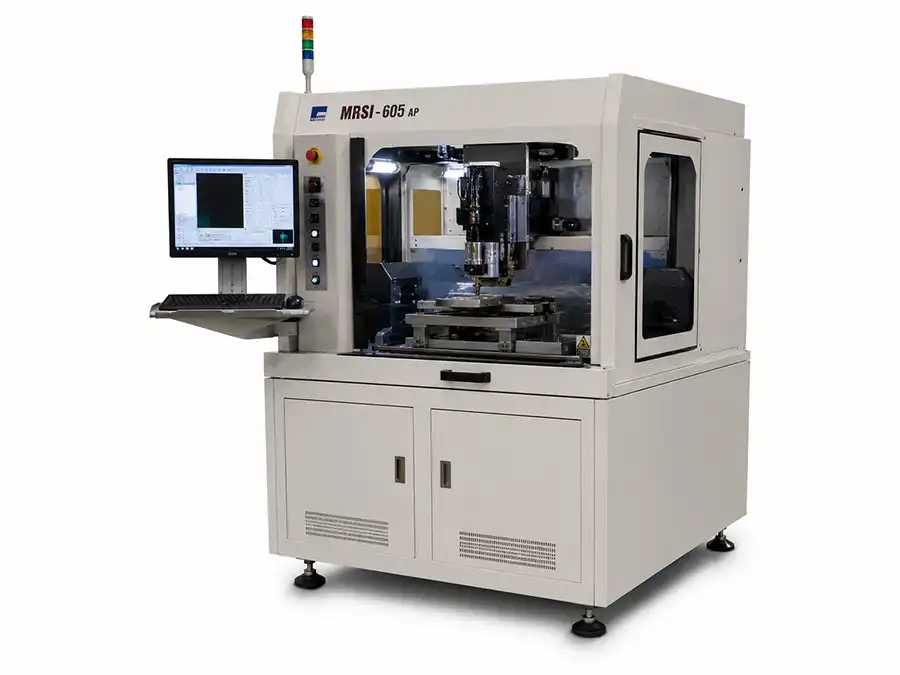
Source a used MRSI-605 AP die bonder for epoxy, eutectic, flip-chip and TO package assembly. Review verified capabilities, configuration and support.
A suitable semiconductor die bonder must match the complete assembly process rather than only the machine brand or headline accuracy. Confirm the die, substrate, bonding material, thermal profile, placement method and production target before comparing available models.
Identify whether the application uses conductive or non-conductive epoxy, solder, eutectic alloy, silver sintering, thermocompression or another die attach method.
Define the required X/Y placement accuracy, rotation accuracy, post-bond alignment and vision capability according to die size, pad geometry and package tolerance.
Confirm minimum and maximum die dimensions, wafer diameter, diced wafer presentation, waffle pack, tray or tape input, and substrate handling requirements.
Review stage temperature, tool heating, force range, controlled atmosphere and process monitoring when thermal or pressure-assisted bonding is required.
Compare cycle time, units per hour, automatic loading, material changeover, recipe control and inspection functions against the planned production volume.
Check utilities, floor space, upstream and downstream handling, MES requirements, tooling, software version and operator workflow before installation.
Die bonder selection depends on the device structure, bonding process, placement accuracy, production capacity and required machine configuration. Providing the following technical information helps us compare available platforms and identify equipment that is more closely matched to your application.
List any preferred die bonder platform, acceptable alternative models or equipment already operating in your production facility.
Provide the die dimensions, thickness, wafer size, package format, substrate dimensions, material type and product configuration.
Describe whether the application uses adhesive bonding, soldering, eutectic bonding, silver sintering, thermocompression or flip chip assembly.
State the required placement accuracy, rotational accuracy, UPH target, product mix and expected level of automation.
Include requirements for wafer handling, ejector systems, dispensing, heating, vision inspection, controlled atmosphere, tooling and software.
Share the destination country, required delivery schedule, machine inspection expectations, installation scope, training requirements and budget range.
Review common questions about die bonder functions, process compatibility, used equipment evaluation and quotation preparation.
A die bonder is semiconductor assembly equipment that picks an individual die from a wafer, tray or pack, aligns it with a substrate, leadframe or carrier, and places or bonds it using a controlled die attach process.
A die bonder attaches the semiconductor die to a package, substrate or carrier. A wire bonder creates electrical interconnections between the die pads and package terminals after die attach. They perform different stages of semiconductor packaging.
Depending on the model and installed configuration, die bonders may support epoxy attach, eutectic bonding, solder attach, silver sintering, flip chip placement, thermocompression and other specialized assembly processes.
Some platforms can be configured for multiple material formats, but loaders, wafer stages, ejectors, tray handlers and software options differ. The exact installed configuration must be checked for each available machine.
Start with the process, die range, substrate format, required accuracy, heating and force needs, throughput and automation level. Then verify the machine year, operating status, installed options, software, accessories and inspection scope.
Model availability changes. Share the preferred brand or model together with the process requirements, and suitable available equipment or practical alternatives can be reviewed by configuration.
Provide the target model if known, die and substrate dimensions, input format, bonding material, accuracy, throughput, required options, destination country, delivery schedule and inspection expectations.
The scope depends on the machine, destination and project. Tooling, accessories, inspection, refurbishment, packing, shipment, installation or technical support should be confirmed individually in the quotation.