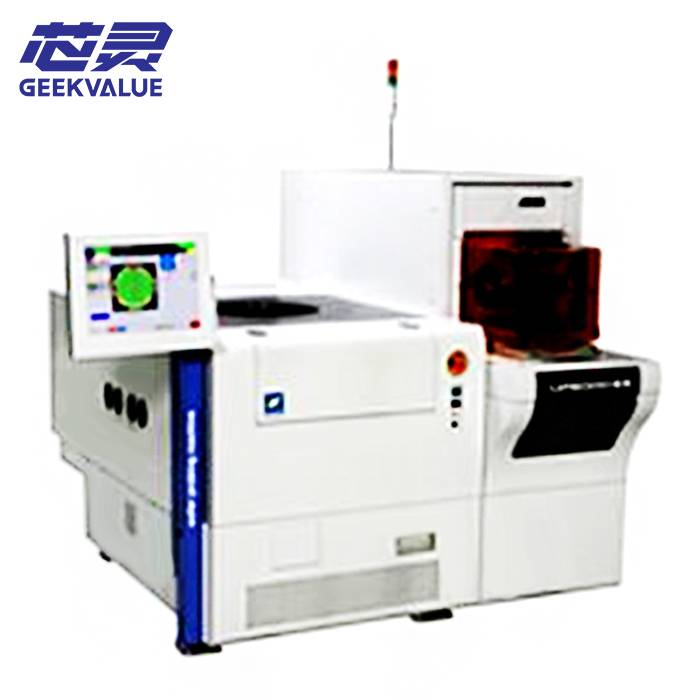
ACCRETECH UF3000EX Wafer Prober
Pre-owned ACCRETECH UF3000EX wafer prober for semiconductor wafer testing. Ask about machine condition, configuration, d...
A probe station positions electrical, RF or optical probes on wafer and die test pads, then connects the device under test to measurement instruments or an ATE platform. Browse available wafer probers and compare automation, wafer size, chuck, probe interface, temperature control and production integration before requesting a quote.
Open each product page to review the model platform. For a purchasing decision, the actual wafer handling, chuck, probe-card interface, software, temperature options, accessories and machine condition must still be confirmed.
Looking for a specific ACCRETECH, FormFactor, Cascade, MPI, TEL, Electroglas or another wafer prober? Send the model number even when it is not currently shown.
Pre-owned ACCRETECH UF3000EX wafer prober for semiconductor wafer testing. Ask about machine condition, configuration, d...
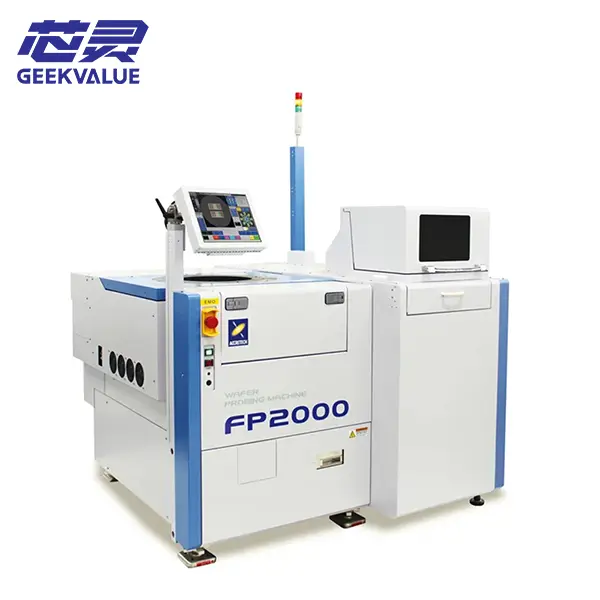
Pre-owned ACCRETECH FP2000 wafer and frame prober for 5-, 6- and 8-inch wafers. Ask about configuration, condition, part...
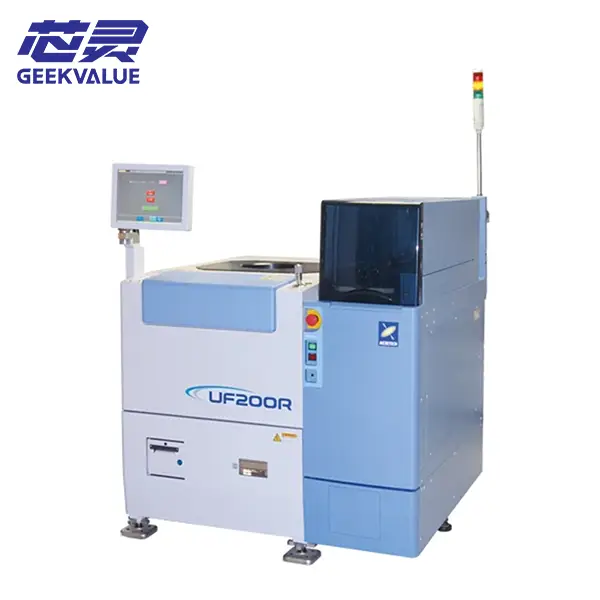
Pre-owned ACCRETECH UF200R automatic wafer prober for 120–200 mm wafers. Ask about machine configuration, condition, del...
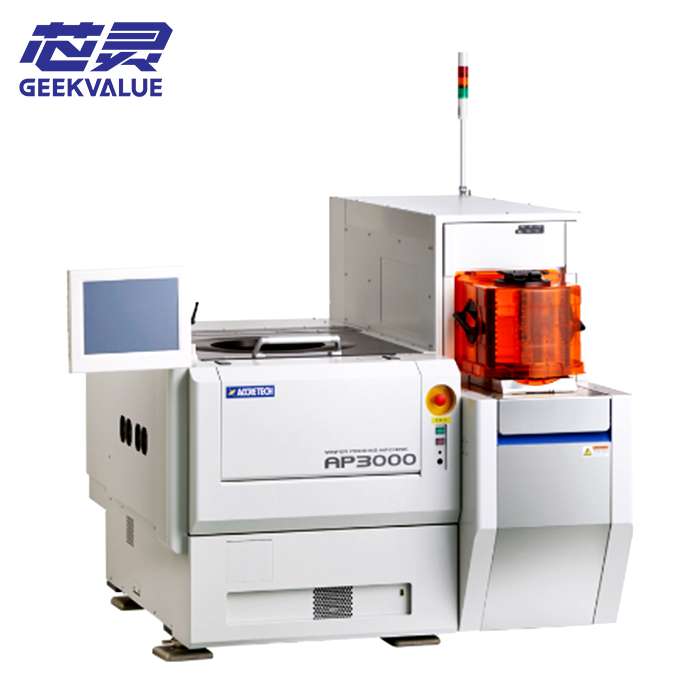
Pre-owned ACCRETECH AP3000 wafer prober for semiconductor wafer testing. Ask about machine condition, configuration, del...
The station supplies precise positioning, controlled contact and a stable test environment. The complete result also depends on probes or a probe card, cables, switching, test instruments, calibration and software. This is why two visually similar probe stations can support very different measurements.
Confirm diameter, thickness, pad layout, backside condition and whether the DUT is a full wafer, partial wafer or individual die.
Vacuum, thermal, high-power, low-noise, light-tight, pressure or cryogenic requirements change the station configuration.
Choose individual probe positioners or a probe card according to pad count, pitch, frequency, current and repeatability.
SMUs, parameter analyzers, oscilloscopes, VNAs, power analyzers or ATE resources perform the electrical test.
Alignment, stepping, wafer mapping, test sequence, calibration and result handling determine workflow efficiency.
Sales shortcut: tell us what you are measuring and which instruments you already have. We can then narrow the probe station, interface and automation requirements without making you specify every component first.
“Probe station” is a broad equipment category. A system for DC parametric characterization is not automatically suitable for RF, high-power, photonics or cryogenic testing.
Device characterization, process monitoring and low-current measurements may require guarded or triax connections, a suitable chuck and EMI/light shielding.
High-frequency probing depends on RF positioners, compatible probes, calibration substrates, stable cabling and controlled probe-to-pad alignment.
Power semiconductor test changes current, voltage, isolation, thermal control, arcing protection and operator-safety requirements.
Silicon photonics and optoelectronic test may combine electrical probes with fiber alignment, optical instruments and synchronized motion.
Failure analysis and engineering labs usually value flexible access, microscopes, manipulators and quick changes between wafer, die and package formats.
Low-temperature, vacuum or magnetic-field measurements require a dedicated chamber, feedthroughs, thermal design and compatible probe positioning.
The best level of automation depends on test volume, wafer size, alignment difficulty, recipe repeatability and how much operator involvement the process can accept.
| Decision Point | Manual Probe Station | Semi-Automatic Probe Station | Automatic Wafer Prober |
|---|---|---|---|
| Typical Use | R&D, failure analysis, education and low-volume characterization. | Engineering, parametric test and repeatable medium-volume wafer measurements. | Production wafer test, mapped stepping, automated alignment and higher-throughput screening. |
| Operator Role | Operator positions the wafer, probes and measurement points directly. | Motorized stage and software automate selected movements while the operator manages setup. | Loader, alignment, wafer map and test sequence can run with limited intervention. |
| Flexibility | Highest for changing experiments. Easy access to probe arms and DUT. | Balances flexibility with repeatable motion and recipe control. | Best when product format, probe card and test flow are well defined. |
| Throughput | Lowest; strongly influenced by operator skill and setup time. | Improved stepping and alignment without the full cost of production automation. | Highest potential, but actual throughput also depends on tester time, contact quality and wafer handling. |
| Best Buying Question | Can the platform support my measurement instruments and probe geometry? | Which movements, alignment and mapping functions are automated? | What loader, wafer size, probe-card interface, temperature range and factory interface are included? |
Current inventory may focus on production probers. We can still review requirements for manual, semi-automatic, RF, power or specialty probe stations through the sourcing network.
Ask Which Type FitsSearch results often mix small manual laboratory platforms with 200 mm or 300 mm automated wafer probers. Those systems belong to very different price classes, so a useful quotation must start with the intended measurement and the actual configuration.
For used equipment, the year alone does not explain value. Loader condition, stage accuracy, chuck and temperature options, probe-card interface, software, controllers, accessories and serviceability can have a greater effect on the final purchase.
Request Current PriceBuyers often use these terms together, but each equipment category has a different job. Clarifying the boundary prevents a quote for a mechanical prober when the real need is a tester, probe card or packaged-device handler.
Positions the wafer or die and makes repeatable physical contact through probes or a probe card.
View ModelsGenerates test stimulus, measures device response and executes the electrical test program.
Testing SystemsCreate the electrical interface between the device pads and the measurement path; pitch, frequency and current must match the application.
Equipment RangeFeeds, temperature-conditions and sorts packaged devices after wafer-level probing and packaging.
Read Test GuidesYou do not need to prepare a complete specification before contacting us. Start with the device, measurement and wafer format. We will identify the missing configuration points and check available equipment against the real test setup.
Start a Probe Station InquiryProduct type, wafer size, pad layout, thickness and loading format.
Characterization, failure analysis, production screening, RF, power or another measurement.
Automation level, chuck, stage, probe card or positioners, microscope and enclosure.
Model, serial number, software, controllers, loader, accessories, condition and delivery support.
These answers cover the questions that most often affect equipment selection, integration and quotation.
The terms overlap. “Probe station” is often used for analytical or engineering platforms, while “wafer prober” commonly describes semi-automatic or automatic systems that step across full wafers and may include loaders, wafer mapping and production interfaces. The exact model architecture matters more than the name.
Not always. A probe station normally provides positioning, contact and the test environment. SMUs, parameter analyzers, VNAs, oscilloscopes or ATE resources may be separate and must be integrated through compatible probes, cables, switching and software.
Manual systems are flexible for R&D and changing experiments. Semi-automatic systems add repeatable motorized motion and mapping. Automatic wafer probers are better suited to defined production flows, cassette handling and higher test volume.
Wafer size, automation, loader, chuck, temperature range, stage accuracy, probe interface, microscope, enclosure, software, controllers, included accessories and equipment condition all affect price. A small manual laboratory platform should not be compared directly with a production automatic prober.
Some modular platforms can be reconfigured, but the chuck, probes, cables, positioners, shielding, calibration and safety design differ. Support should be confirmed for the actual configuration rather than inferred from the base model name.
Confirm the complete model and serial number, wafer size, loader, stage and alignment performance, chuck type, temperature options, probe-card interface, controllers, software and licenses, included accessories, operating condition and service history.
We will check current equipment, configuration requirements, actual supply scope and delivery options for your wafer-level test project.