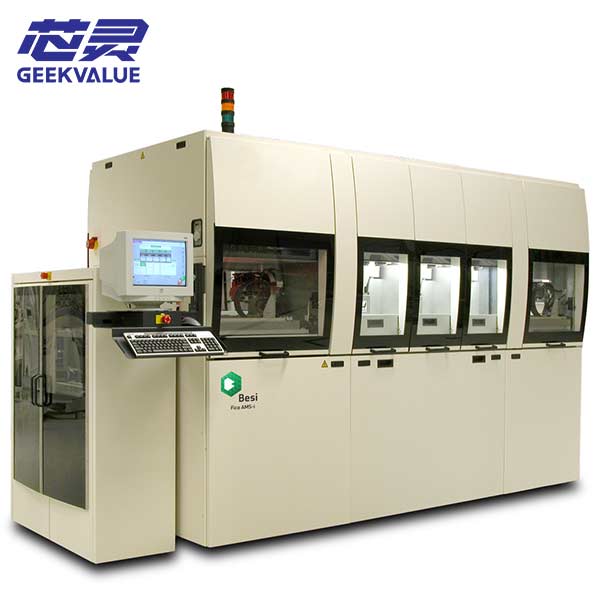
Besi Fico AMS-i Automatic Molding System
Pre-owned Besi Fico AMS-i automatic molding system for semiconductor packages. Ask about configuration, molds, condition...
A semiconductor molding machine encapsulates chips, wire bonds and package structures with protective resin. Browse available transfer and compression molding equipment, then compare the package format, resin type, mold configuration, automation level and actual machine condition required for your production line.
The same molding platform is not automatically suitable for every semiconductor package. Leadframe products, substrate-based arrays, power modules, wafers and panels place different demands on mold size, clamp force, resin delivery, release film, handling and post-mold cleaning.
Tell us what is entering the mold and what the finished package should look like. This is usually more useful than starting with machine tonnage alone.
QFN, SOP, DIP, discrete and related molded packages.
Leadframe size, cavity layout, pellet delivery, wire-sweep risk, chase and tooling compatibility.
BGA, MAP-QFN, SiP and multi-die package arrays.
Substrate dimensions, mold thickness, resin flow length, exposed features and singulation route.
FOWLP, FIWLP, EWLP, PLP and advanced package structures.
Wafer or panel size, dispense pattern, resin form, thickness uniformity, release film and warpage control.
Thick devices, heat-spreader exposure, modules, sensors and LED-related products.
Device height, thermal path, exposed metal, liquid or granular resin, mold pressure and demolding method.
Review the current equipment collection and open each model page for available specifications. The final quotation should identify the actual mold press, handling modules, tooling interface, software, accessories and refurbishment scope supplied with the machine.
Pre-owned Besi Fico AMS-i automatic molding system for semiconductor packages. Ask about configuration, molds, condition...
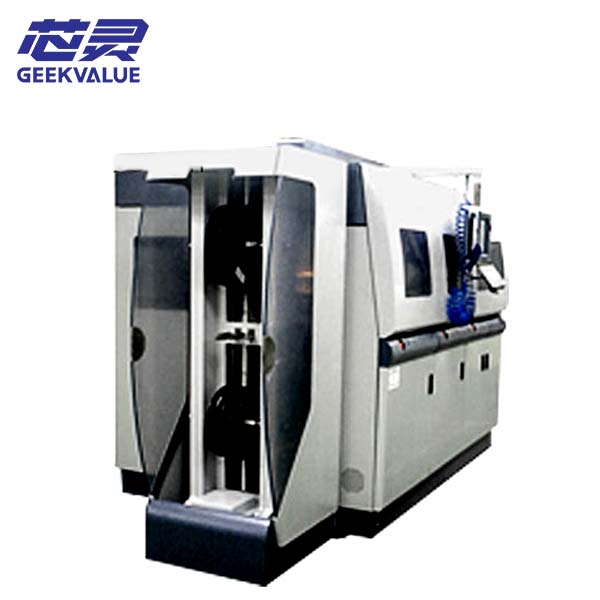
Pre-owned ASMPT IDEALmold R2R semiconductor molding system. Ask about line configuration, mold compatibility, machine co...
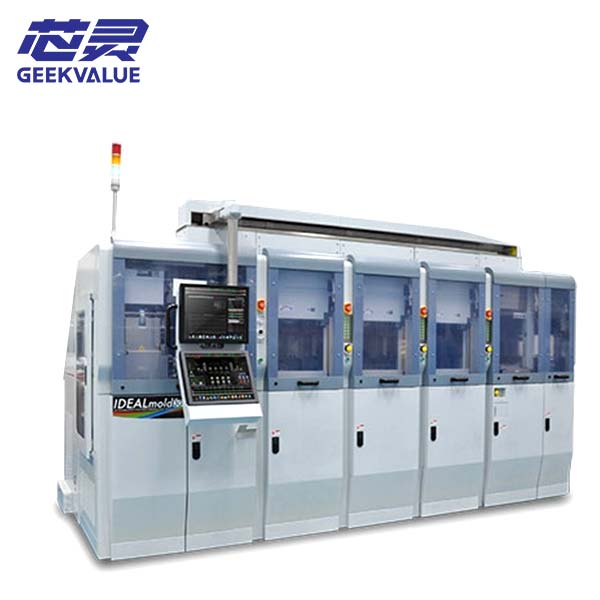
Pre-owned ASMPT IDEALmold 3G automatic molding system. Ask about press configuration, mold compatibility, machine condit...
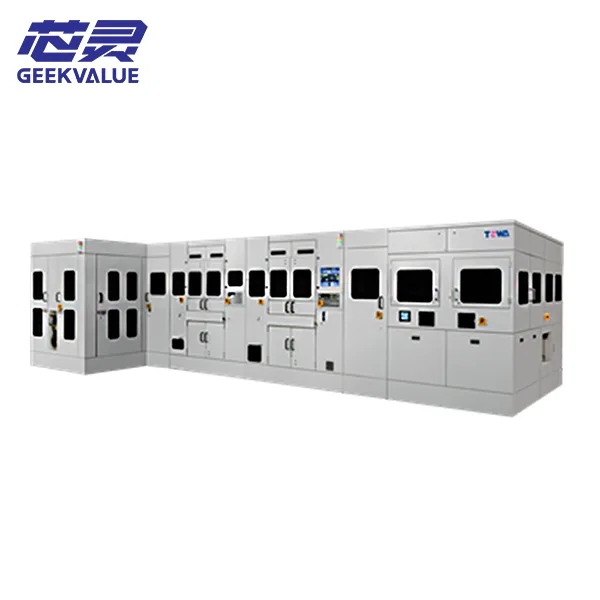
Pre-owned TOWA CPM1180 compression molding system for large-panel PLP applications. Ask about configuration, molds, mach...
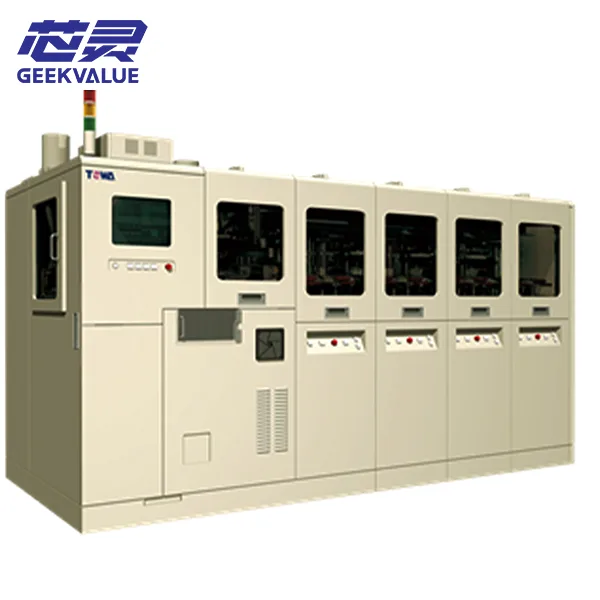
Pre-owned TOWA Y1E4120 transfer molding system for substrates and leadframes. Ask about press modules, molds, machine co...
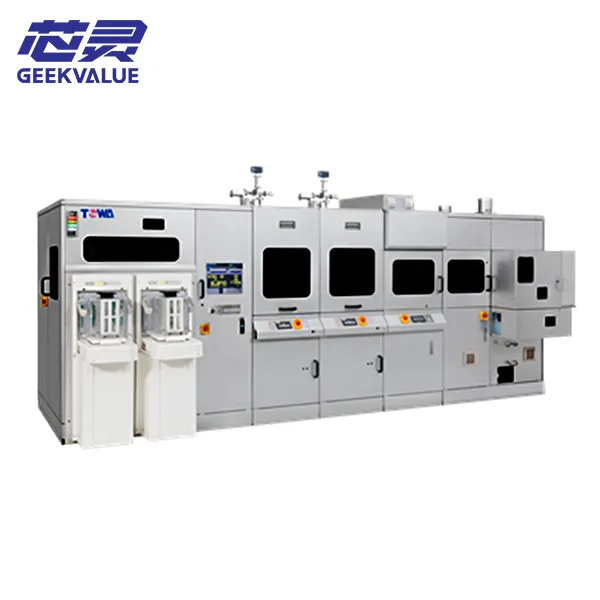
Pre-owned TOWA CPM1080 compression molding system for WLP and PLP applications. Ask about machine configuration, molds, ...
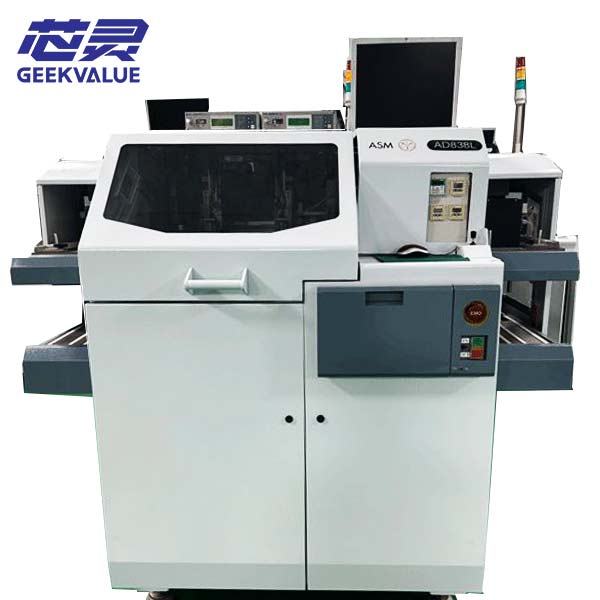
Pre-owned ASMPT AD838L automatic die bonder. Ask about machine condition, die and substrate matching, included tooling, ...
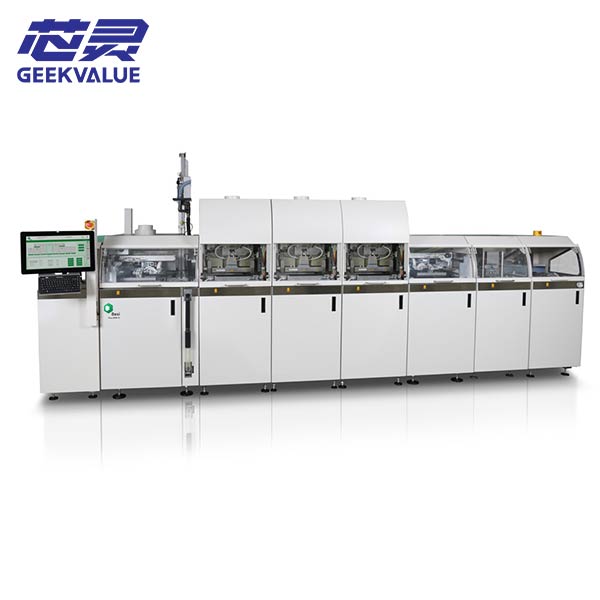
Pre-owned Besi AMS-X leadframe molding system for power and high-density semiconductor packages. Ask about configuration...
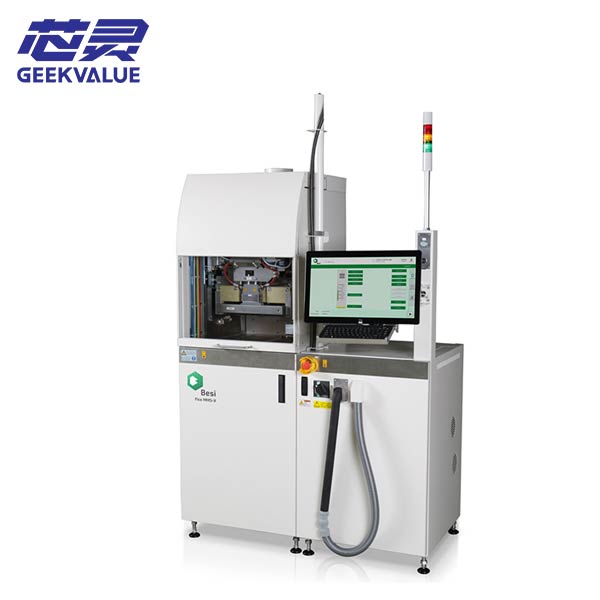
Pre-owned Besi MMS-X semiconductor molding system. Ask about machine condition, mold compatibility, included equipment, ...
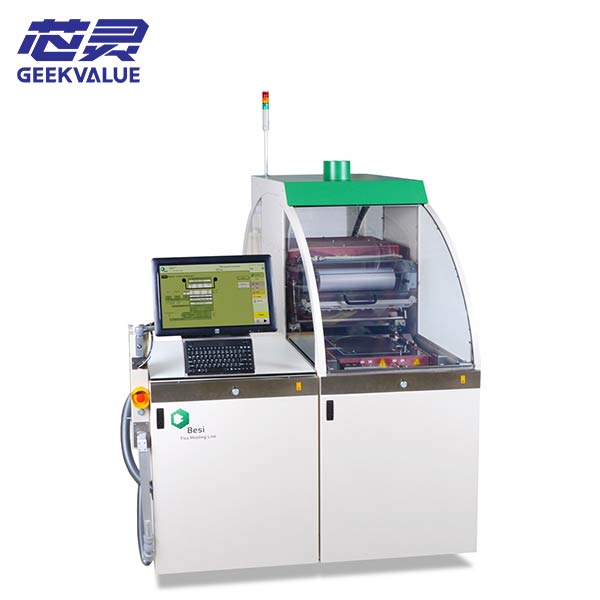
Pre-owned Besi Fico FML semiconductor molding system. Ask about machine condition, mold compatibility, included equipmen...
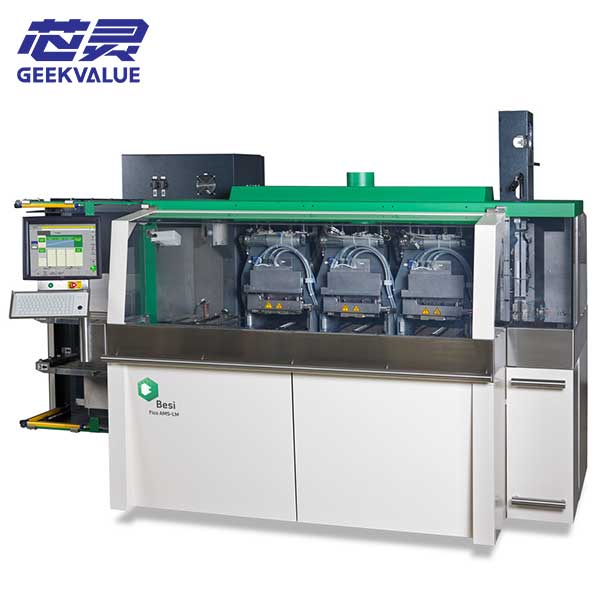
Pre-owned Besi Fico AMS-LM semiconductor molding system. Ask about machine condition, mold compatibility, included items...
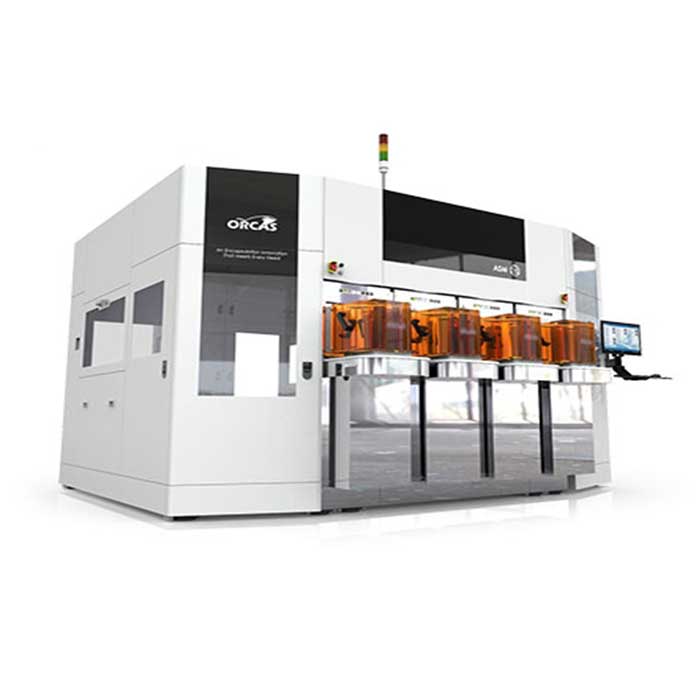
Pre-owned ASMPT ORCAS semiconductor molding system. Ask about machine configuration, mold compatibility, condition, part...
The difference is mainly how the resin reaches the package. This affects resin movement around the device, mold construction, material use, package size and the type of product the machine is designed to handle.
The mold closes first, then heated resin is transferred through runners and gates into the package cavities before curing.
Resin is dispensed or placed into the mold area and compressed around the device, reducing the need for long transfer paths.
Output is not determined by press force alone. Resin behavior, mold temperature, vacuum, clamp balance, package layout, wire geometry, release condition and post-mold handling all affect the finished package.
When replacing an existing molding machine, share current defects and package samples. They often reveal more than a general request for a “higher-capacity” system.
Resin flow can move long or closely spaced bond wires during encapsulation.
Air removal, vacuum, preheat, resin condition and feature geometry influence filling.
Mold contact, clamp balance, film, chase condition and process pressure affect overflow.
Large substrates, wafers and panels require controlled pressure and resin distribution.
Release film, mold surface, cure condition and eject sequence affect package removal.
Manual, modular and fully automatic molding systems serve different production environments. The right choice depends on package changeover, loading format, mold exchange, resin handling, traceability and the volume expected from each product family.
Useful for process development, package trials, low-volume production and applications where operators load the package, resin and tooling directly.
Combines controlled molding with selected automation for loading, preheating, resin handling or unloading.
Designed for repeatable high-volume encapsulation with automated loading, resin management, molding, unloading and production data handling.
A used semiconductor molding machine may have been configured for one package family, resin system or factory layout. Before quotation, the installed press, mold interface, handling units, software, utilities and included accessories should be reviewed as one system.
Start with the package, resin and production route. A model can then be checked against the actual mold, handling and process configuration required.
It encapsulates semiconductor chips, interconnects and package structures with cured resin to provide mechanical protection, environmental isolation and the final molded package form.
Transfer molding moves heated resin through runners and gates into a closed mold. Compression molding places or dispenses resin in the mold area and compresses it around the device. The suitable method depends on package architecture, resin flow requirements and production format.
No. Compatibility depends on mold dimensions, clamp force, resin delivery, chase and tooling, package handling, software and the options installed on the actual machine.
Compression molding is widely considered for many wafer- and panel-level applications, but the final choice still depends on wafer or panel size, resin form, dispense method, target thickness, release-film handling and warpage limits.
Wire sweep can result from resin flow acting on bond wires. Wire length, loop geometry, package layout, flow path, viscosity, fill speed, temperature and mold design all influence the risk.
Confirm the exact model, year, molding method, press and mold interface, handling modules, software, vacuum and heating systems, included tooling, maintenance history, operating condition, utilities and refurbishment scope.
Send the target package, strip or wafer size, molding method if known, resin type, mold dimensions, output requirement, preferred manufacturer or model, required condition, quantity and destination country.
Send the package format, resin, molding method, mold or chase information, output requirement and preferred machine condition. We will review available equipment and the configuration points that need to be confirmed.