Dicing, grinding, CMP, handling, coating, etching or storage creates different cleaning demands.
Semiconductor wafer cleaning equipment
Wafer Cleaner Machines for Semiconductor Processing
A wafer cleaner removes particles, dicing debris, polishing residue and other surface contamination before the wafer moves to the next process. Browse available wafer cleaning machines and compare scrubber, spray, single-wafer and automatic cleaning routes for silicon, compound semiconductor, glass, substrate and related applications.
Selection logic
Choose the Wafer Cleaner by the Contamination and Process Step
The phrase wafer cleaning machine covers several very different systems. A post-dicing wafer cleaner, a brush scrubber, a single-wafer wet cleaner and a batch wet cleaning system do not solve the same problem. The safest starting point is to identify what is on the wafer, what surface must be protected and what process comes next.
Front-side, backside or double-side cleaning changes the brush, nozzle, chuck and handling design.
Silicon, glass, SiC, GaN, sapphire, MEMS and other substrates can have different damage limits.
Bonding, dicing, inspection, coating or packaging determines the required cleanliness and drying result.
Current equipment collection
Available Wafer Cleaner Machines
Browse the current wafer cleaning equipment by brand and model. Open a product page to review the model direction, then contact us to confirm availability, wafer compatibility, installed cleaning units, handling system, condition and supplied accessories.
Looking for a wafer scrubber or cleaner that is not shown? Send the manufacturer, full model or cleaning requirement. Project sourcing can begin from a model number or from the contamination problem.
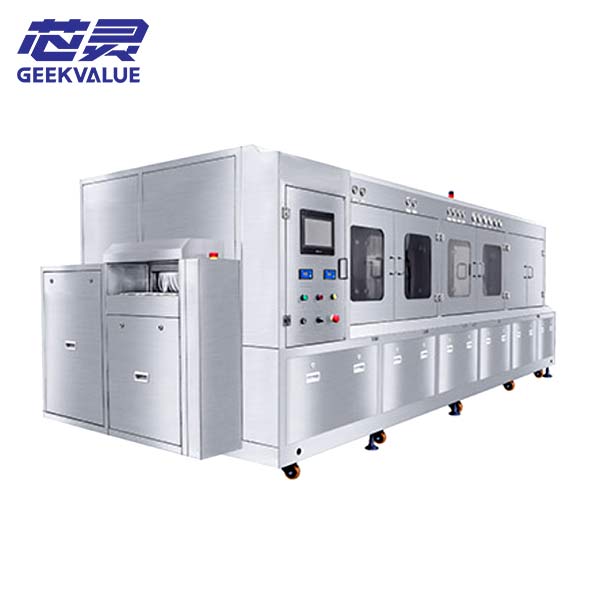
Semiconductor Package Cleaning Machine SC810 | Chip Flux Cleaning System
Explore SC810 semiconductor package cleaning machine for flux residue and contamination removal after soldering. Learn s...
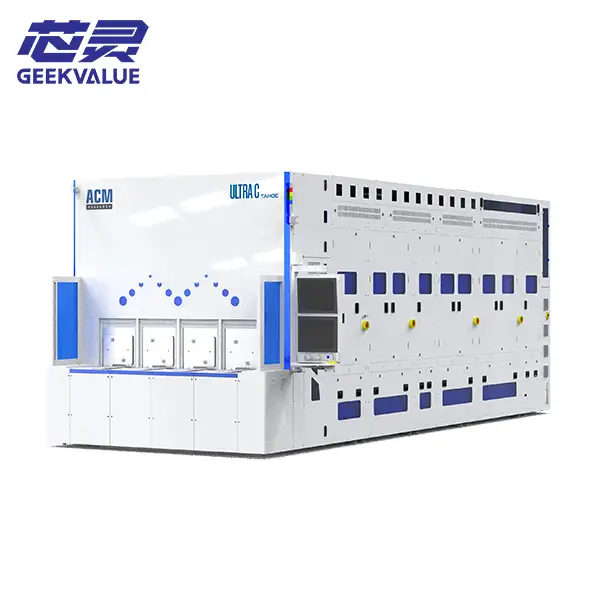
SCREEN SU-3200 Wafer Cleaner | 300mm High Throughput Single Wafer Cleaning System
SCREEN SU-3200 wafer cleaner is a high throughput 300mm single wafer cleaning system for semiconduct
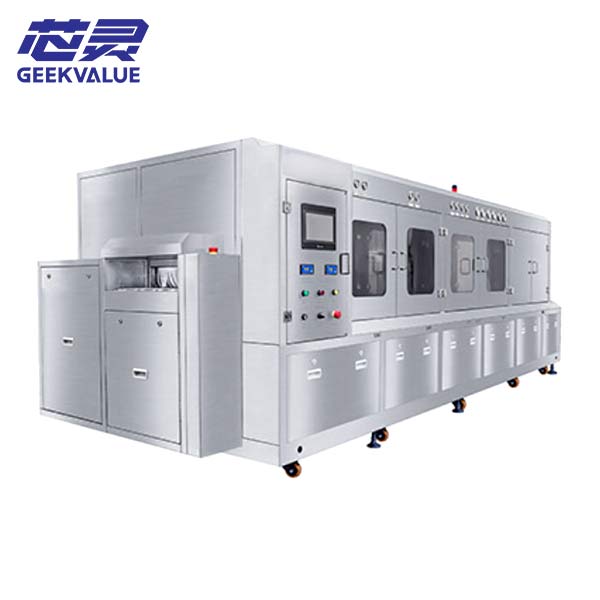
LED Washing Machine SF-680 | Micro LED & Mini LED Chip Cleaning System
Explore LED washing machine SF-680 for Micro LED and Mini LED manufacturing. Learn DI water cleaning technology, flux re...
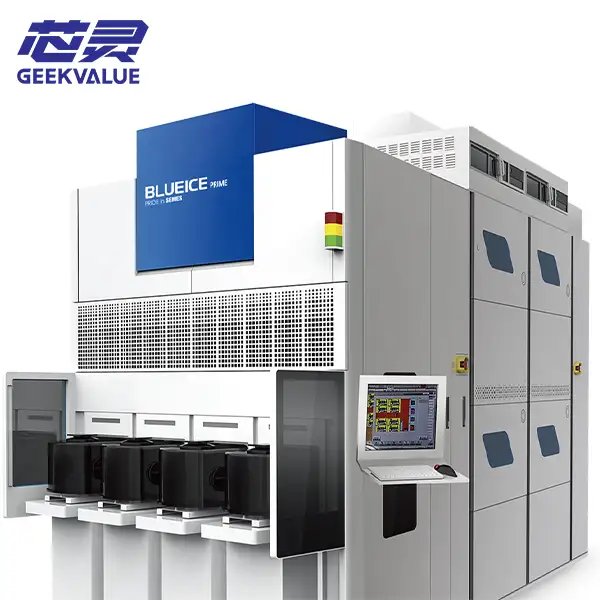
SEMES BLUEICE PRIME Wafer Cleaner | Advanced 300mm Semiconductor Cleaning System
Explore SEMES BLUEICE PRIME wafer cleaner for advanced semiconductor manufacturing. Learn about 300mm single wafer clean...
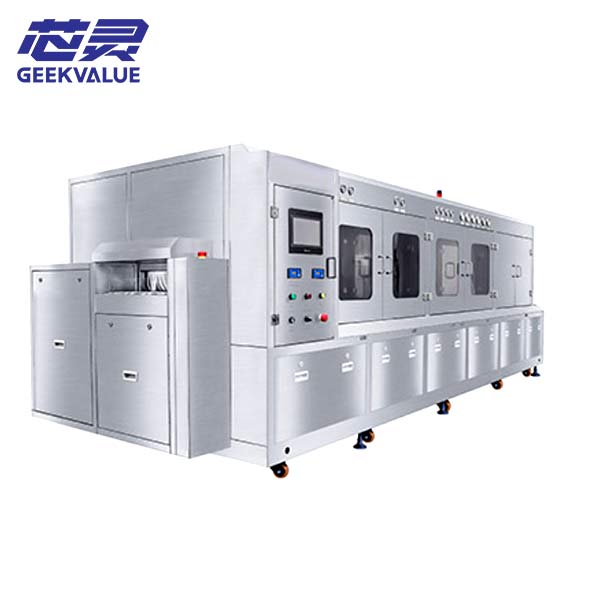
Semiconductor Packaging Cleaning Machine FC750 | Automatic Chip Cleaning System
Explore FC750 semiconductor packaging cleaning machine for automatic chip package cleaning. Learn about flux residue rem...
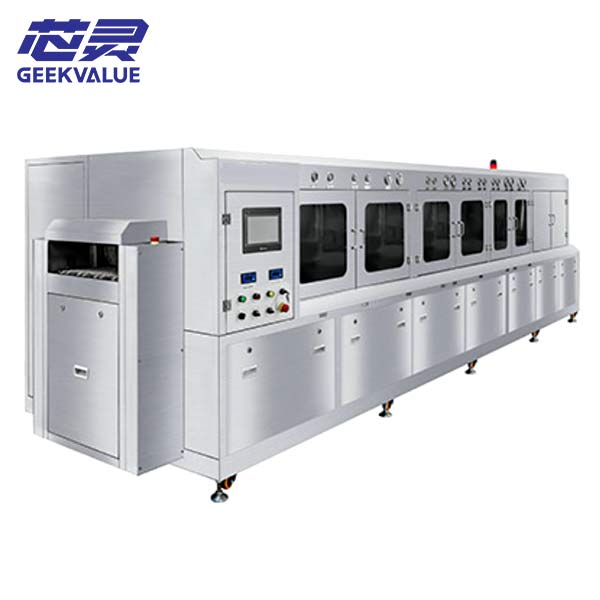
Semiconductor Cleaning Machine AC-420 | Chip Packaging Flux Removal System
Explore AC-420 semiconductor cleaning machine for chip packaging processes. Learn spray cleaning technology, flux residu...
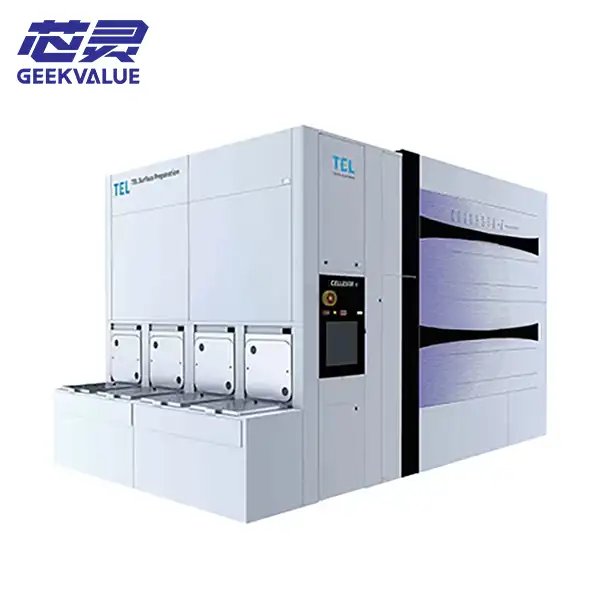
TEL CELLESTA™-i MD Wafer Cleaner | 300mm Single Wafer Cleaning System for Advanced Semiconductor
TEL CELLESTA™-i MD wafer cleaner is an advanced 300mm single wafer cleaning system for semiconductor manufacturing. Lear...
Where cleaning fits
The Same Wafer Cleaner Is Not Used at Every Process Step
Cleaning requirements change with the source of contamination and the condition of the wafer. These four routes cover the most common buyer questions without assuming that one system can perform every task.
After Dicing
Remove cutting dust and debris while the wafer or separated structure remains supported on tape, a frame or a process chuck.
Typical searches: post-dicing wafer cleaner, wafer cleaning after sawingAfter Grinding or CMP
Control slurry, polishing residue and particles on one or both wafer surfaces before inspection or another wet or dry process.
Typical searches: wafer scrubber, post-CMP wafer cleanerBefore Bonding or Coating
Prepare a surface where remaining particles, films or watermarks could affect adhesion, bonding quality or later processing.
Typical searches: semiconductor wafer cleaning systemFor Sensitive Materials
Thin wafers, MEMS, compound semiconductors and structured surfaces may require lower contact, controlled chemistry or specialized drying.
Typical searches: gentle wafer cleaner, single wafer cleaner
Cleaning method comparison
Brush, Spray, Megasonic or Wet Cleaning?
Search results and manufacturer product lines separate wafer cleaners by cleaning energy, chemistry, wafer handling and drying method. The right choice depends on the contamination and damage limit—not on automation level alone.
Wafer Scrubber With Rinse and Spin Dry
A wafer scrubber commonly combines brush, jet or spray cleaning with DI-water rinsing and spin drying. It is often considered when particles, dicing debris or polishing residue must be removed in a repeatable production cycle.
- Confirm front-side, backside or double-side cleaning
- Check brush material, pressure control and wafer edge access
- Review rinse quality, spin speed and drying result
- Match cassette, frame, robot or manual loading requirements
Jet, Two-Fluid or Spray Cleaning
Useful when impact energy must reach dicing grooves or textured areas without relying only on direct brush contact.
Megasonic or Ultrasonic Assistance
Acoustic cleaning can support particle removal, but frequency, power, chemistry and fragile-feature risk must be checked for the actual wafer.
Single-Wafer or Batch Wet Cleaning
Used when process chemistry, contamination control and cross-contamination limits are more important than simple post-dicing debris removal.
Cleaning result and process risk
A Cleaner Wafer Is Not Enough—the Surface Must Be Ready for the Next Step
Buyers often focus on particle removal, but poor rinsing, drying or handling can create a second problem. The equipment route should be evaluated by the final surface condition, not only by the cleaning action.
Will the wafer leave the machine clean, dry and undamaged?
Cleaning force, brush pressure, nozzle position, liquid purity, filtration, spin drying, nitrogen drying, chemical compatibility and robot handling all influence the result. A process that removes particles but leaves watermarks, residues or handling damage is not a successful cleaning solution.
Residual Debris
Review the contamination source, particle size, trench depth and whether front, back, edge or groove cleaning is required.
Watermarks and Residue
Rinse sequence, spin speed, temperature, nitrogen or IPA drying and water quality can affect the final surface.
Secondary Contamination
Chamber condition, filters, piping, brushes, tanks and maintenance history matter—especially when evaluating used wafer cleaning equipment.
Prepare a useful inquiry
Tell Us the Cleaning Problem—We Will Help Narrow the Machine
You do not need to know every equipment parameter before contacting us. The details below let us compare the available wafer cleaner machines against the actual wafer, contamination and production route.
For a used wafer cleaner, the quotation should identify the actual cleaning chamber, brush or nozzle units, spin chuck, pumps, filters, dryer, handling hardware, software and included accessories—not only the model name.
You tell us
Previous process and contamination source: dicing, grinding, CMP, coating, etching or handling.
We help confirm
Post-dicing cleaner, scrubber, wet cleaner or another equipment route.
You tell us
Wafer material, diameter, thickness, surface structure and whether front, back or both sides need cleaning.
We help confirm
Chuck, brush, nozzle, flipping, edge access and handling requirements.
You tell us
Allowed chemistry, DI-water requirement, particle target and preferred drying result.
We help confirm
Cleaning energy, fluid system, filtration, rinse and drying configuration.
You tell us
Manual or automatic loading, cassette or frame format, required output, condition, quantity and destination.
We help confirm
Handling system, automation level, current stock, alternative models and quotation scope.
Continue through the wafer process
Related Wafer Processing Equipment and Guides
Use these links when the cleaning question is connected to the previous or next process. The goal is to help buyers evaluate the line rather than treat the wafer cleaner as an isolated machine.
Common previous process
Dicing Saw
Review wafer cutting equipment when the cleaner is being selected to remove blade-cutting dust and debris after singulation.
Explore Dicing Saws → Grinding routeWafer Grinder
Connect grinding and cleaning requirements when slurry, backside particles or thinning residue must be controlled.
Explore Wafer Grinders → Dry surface treatmentPlasma Cleaner
Compare plasma treatment when the goal is organic residue removal, activation or surface preparation rather than wet particle cleaning.
Explore Plasma Cleaners → Further readingWafer Processing Guides
Use the guide library for deeper information about wafer thinning, dicing, cleaning and connected process decisions.
Read Semiconductor Guides →
Wafer cleaner FAQ
Questions Buyers Ask About Wafer Cleaning Machines
These answers cover the distinctions that repeatedly appear across manufacturer pages, product directories and buyer searches.
What is the difference between a wafer cleaner and a wafer scrubber?
Wafer cleaner is a broad category. A wafer scrubber normally refers to equipment that uses brushes, jets or sprays together with rinsing and drying. Other wafer cleaners may use single-wafer wet processing, batch tanks, megasonic energy, CO2 snow or another specialized cleaning method.
Which wafer cleaner is used after dicing?
Post-dicing cleaning often uses spray, two-fluid, brush, jet, rinse and spin-dry functions to remove cutting debris while the wafer or substrate remains supported. The correct machine depends on wafer size, tape or frame condition, groove depth and required handling.
Is brush cleaning safe for every wafer?
No. Brush material, pressure, rotation, contact area and wafer topography must be reviewed. Fragile MEMS structures, thin wafers, bumps or compound materials may require lower-contact or non-contact cleaning.
When should megasonic wafer cleaning be considered?
Megasonic assistance may be considered when fine particle removal is difficult with rinsing or brushing alone. Frequency, power, chemistry, wafer structure and damage limits must be evaluated for the actual process.
What should be checked on a used wafer cleaning machine?
Confirm the full model, year, serial number, wafer size setup, chamber condition, brushes or nozzles, spin chuck, pumps, filters, tanks, dryer, chemical compatibility, handling hardware, software, maintenance history, corrosion condition and included accessories.
What information is needed for a wafer cleaner quotation?
Send the contamination source, wafer material and diameter, thickness and surface condition, side to be cleaned, chemistry or DI-water requirement, drying target, loading format, automation level, preferred equipment condition, quantity and destination.
Start With a Wafer Cleaner Model—or Tell Us What Must Be Removed
Share the wafer material, size, contamination source, previous and next process, cleaning side, automation requirement, preferred equipment condition and destination. We will help turn that information into a focused wafer cleaner sourcing discussion.