The PVA TePla IoN 200 is a vacuum RF plasma processing system developed for surface cleaning, activation and modification. It is suitable for laboratory work as well as applications involving larger substrates or higher processing volumes, while the actual chamber, electrodes, gas controls and process functions depend on the specific pre-owned system available.
For an initial inquiry, send clear photos of the substrates or parts to be treated, your current plasma-system model where applicable, and a short description of the required cleaning, activation or coating process. Detailed dimensions and recipe information can be reviewed later when necessary.
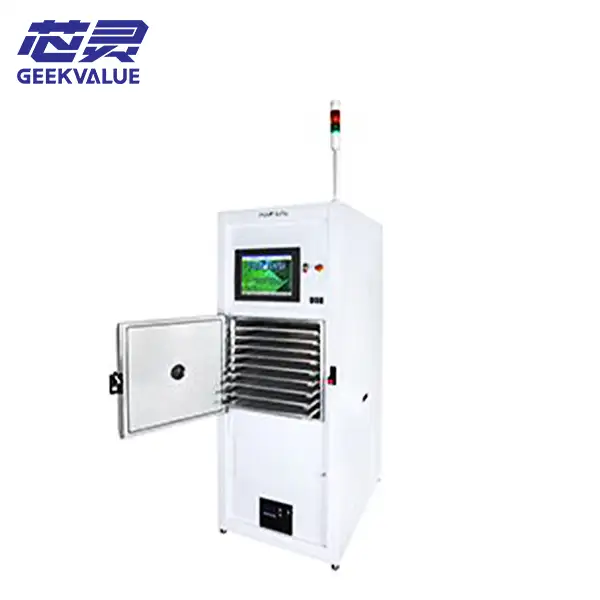
PVA TePla IoN 200 Machine Information
| Manufacturer | PVA TePla |
|---|---|
| Model | IoN 200 |
| Equipment Type | Vacuum RF plasma processing system |
| Primary Applications | Surface cleaning, activation and modification |
| Processing Environment | Low-pressure plasma treatment |
| Typical Workpieces | Compatible substrates, wafers, electronic components and industrial parts |
| Additional Process Capability | PECVD-related applications according to the installed system configuration |
| Condition | Pre-owned plasma processing equipment |
| Actual Configuration | Confirmed according to the specific system available |
| Delivery Scope | Based on the quotation and confirmed equipment list |
| Support | Initial fault review, component matching and repair discussion |
| Shipping | Export packing and worldwide delivery |
Plasma Cleaning and Surface Modification
The IoN 200 uses low-pressure gas and RF power to create plasma for treating exposed surfaces. Depending on the selected process gas, chamber arrangement and recipe, it may be used to remove organic contamination, increase surface energy or prepare a surface for bonding, coating and other downstream processes.
Possible applications include treatment before adhesive bonding, coating, die attach, wire bonding, underfill or encapsulation. The appropriate process still depends on the workpiece material, contamination, treatment objective and required result.
Workpiece and Process Compatibility
The IoN 200 model name does not by itself confirm that the available system is suitable for every substrate or plasma process. Compatibility depends on the workpiece dimensions, material, loading arrangement, electrode geometry, process gases and installed power and vacuum configuration.
Only basic information is needed for the first discussion:
Clear photos of the substrates, wafers, components or industrial parts to be treated
Photos of the trays, fixtures or carriers used to load the products
Your current plasma-system model if the IoN 200 will replace existing equipment
A short description of the contamination, adhesion issue or required surface modification
Detailed workpiece dimensions, material data, process-gas requirements and recipe parameters can be reviewed later when the available system appears relevant to the application.
Available IoN 200 Configuration and Delivery Scope
Individual PVA TePla IoN 200 systems may differ in chamber design, electrode arrangement, RF power components, process-gas controls, vacuum pumps, fixtures, software and optional PECVD-related equipment. Before purchase, the available unit should be reviewed to confirm whether its actual chamber and utility configuration are suitable for the intended workpieces and process. The final delivery scope is based only on the quotation and confirmed equipment list; vacuum pumps, gas accessories, electrodes, fixtures, computers, software packages and external utility equipment are included only when specifically stated.
Receiving, Startup and Initial Plasma Trial
The IoN 200 should be inspected and tested in stages before valuable production parts are introduced.
Inspect the packing, equipment cabinet, chamber, door, control panel, gas connections and visible vacuum components.
Photograph any impact marks, loose fittings, damaged lines or displaced components before moving the system.
Compare the received machine, pump, electrodes, fixtures, cables and accessories with the confirmed delivery list.
Check that the chamber interior, electrodes and loading components remain correctly positioned after transportation.
Confirm the electrical supply, grounding, process gases, exhaust and vacuum requirements of the actual machine.
Start the control system and record all alarms before resetting the machine or changing process parameters.
Check chamber sealing, pump-down, gas control and RF operation without production workpieces.
After basic operation is stable, use non-production samples for an initial plasma-treatment trial.
Repeat the trial with consistent sample placement and compare the treatment results before considering production use. Stop testing if the chamber cannot maintain a stable vacuum, gas flow is abnormal, RF alarms occur or the same fault repeatedly returns.
Process Results, Alarms and Parts Support
Weak or inconsistent treatment may involve surface contamination, unsuitable process gas, incorrect power or treatment time, vacuum leakage, unstable gas flow, electrode condition or uneven workpiece placement.
Vacuum alarms, slow pump-down, RF matching faults, gas-flow errors, chamber-door interlocks and controller problems should be recorded before the machine is reset. Photos of the chamber, electrodes, workpieces, treatment results and alarm screen, together with a short operating video where available, can provide a practical starting point for review.
Our team can assist with initial fault analysis, component identification, replacement-part matching and repair discussion. Related pumps, valves, gauges, mass-flow controllers, RF components, matching networks, power supplies, boards, sensors, cables and chamber parts can also be checked where available.
Frequently Asked Questions
Can the PVA TePla IoN 200 treat our substrates or parts?
This depends on the workpiece material, dimensions, loading arrangement, required plasma process and actual chamber configuration. Send workpiece and fixture photos for an initial review.
What processes can the IoN 200 perform?
The system is intended for compatible plasma cleaning, activation and surface-modification processes. PECVD-related applications may also be possible when the required hardware is installed.
Is the vacuum pump included with the machine?
Only the vacuum pump and related accessories listed in the quotation or confirmed delivery scope are included.
Are the electrodes and product fixtures included?
The installed electrodes and loading components must be confirmed from the specific machine. Additional fixtures or product carriers should not be assumed to be included unless listed.
Can you assist with vacuum, gas-flow or RF alarms?
Yes. Send the machine model, alarm information, chamber photos and a short operating video where available. We can assist with initial fault review, parts matching and repair discussion.
Contact Us About the PVA TePla IoN 200
Send photos of the workpieces and loading fixtures, your current plasma-system model where applicable, and a short description of the cleaning, activation or surface-modification requirement. We will review the basic application first and continue with the necessary chamber configuration, process, replacement-parts or repair details afterward.