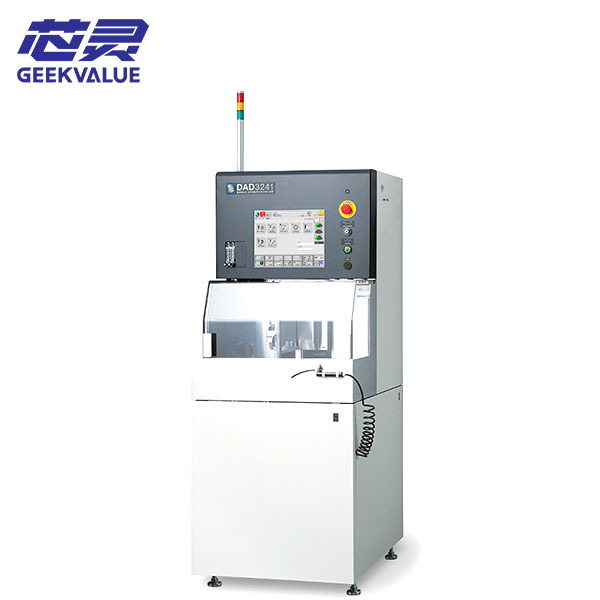
DISCO DAD3241 Dicing Saw
DISCO DAD3241 dicing saw for wafer and substrate cutting. Confirm the spindle, chuck table, installed options, machine c...
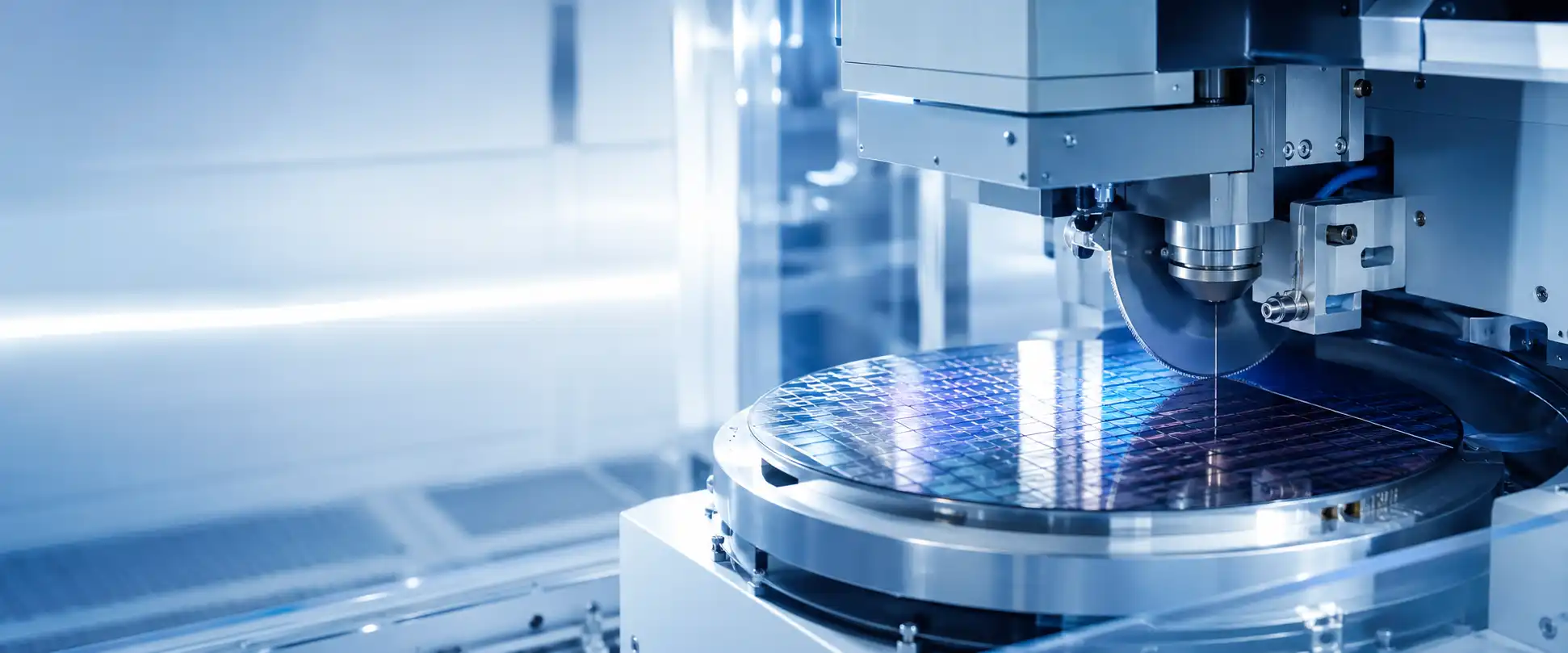
Compare wafer saw machines for semiconductor wafer dicing, exact equipment replacement, production expansion and new cutting requirements. Review available models, machine configurations, used-equipment condition, inspection scope, spare parts and international delivery through one practical equipment request.
Review selected machines currently assigned to this category. Open a product page to check the listed model, then contact us to confirm the actual serial-numbered unit, installed configuration, included accessories, condition, inspection information and delivery availability.
The required machine may not be displayed. Send the manufacturer, complete model, nameplate, wafer format or required configuration so current inventory and additional sourcing options can be checked.
DISCO DAD3241 dicing saw for wafer and substrate cutting. Confirm the spindle, chuck table, installed options, machine c...
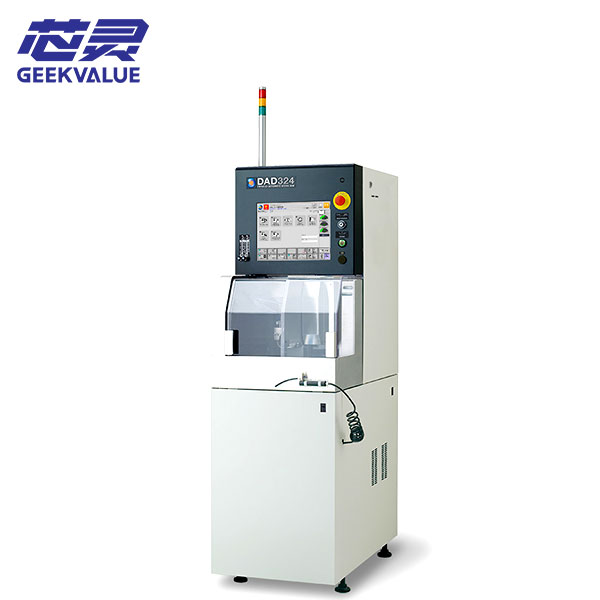
DISCO DAD324 blade dicing saw for wafer and substrate cutting. Review machine identity, process fit, test scope, tooling...
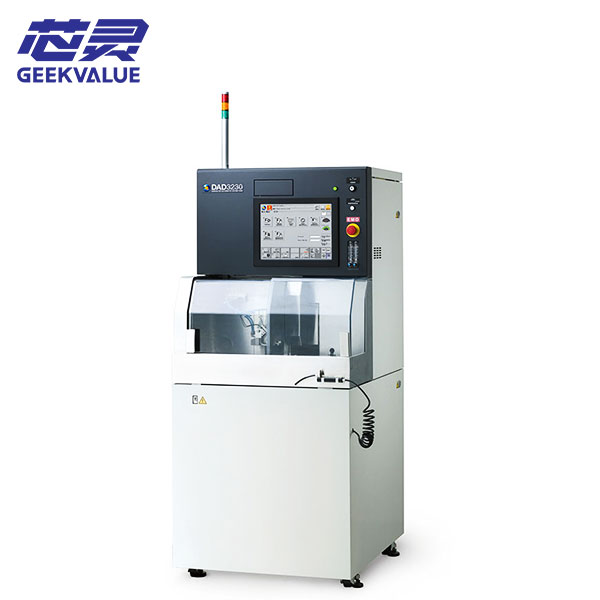
DISCO DAD3230 dicing saw for wafer singulation and precision cutting. Check the spindle, chuck table, options, condition...
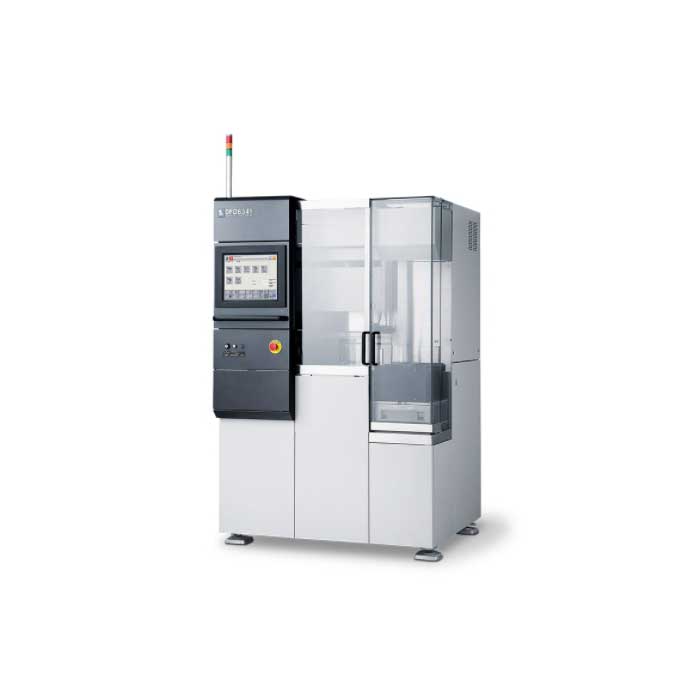
Explore DISCO DFD6341 fully automatic dicing saw for semiconductor wafer cutting. Learn about dual spindle technology, 8...
A machine search may begin with an installed model, a capacity gap, a new wafer format or a cutting result that must remain stable. The complete match depends on the workpiece, spindle, chuck table, vision, handling, software, utilities and accessories—not only the model name printed on the machine.
Send the complete nameplate and the functions that must remain available. The search can begin with the exact model, then move to related generations or a compatible alternative when the original machine is difficult to source.
Send Current Machine DetailsSearch for another machine from the same platform or a related configuration while preserving the wafer, frame, operator workflow, recipes and downstream process.
Compare the workpiece range, spindle, table, vision, handling, utilities and software functions that cannot be lost when the original model is unavailable.
Provide the material, wafer or substrate format, mounting method, cut type, quality target and expected production volume so suitable machine directions can be reviewed.
The available information can be used to check current stock, unlisted machines, related model generations and replacement configurations.
Machines with similar external dimensions can support very different production tasks. Confirm the workpiece, cutting system, workholding, alignment and handling configuration before comparing the final equipment offer.
Automation level affects loading, alignment, recipe control, operator involvement, throughput and connection with the surrounding production flow.
The spindle arrangement influences cutting sequence, step-cut capability, blade combination, productivity and the process already qualified in the factory.
Confirm wafer diameter, thickness, frame format, chuck-table size, tape, workpiece clearance and any special fixture required for the application.
Camera, lighting, alignment, kerf check, loader, cleaning, drying and unloading functions determine how the machine fits the complete process.
| Selection Area | Information to Confirm | Why It Matters | Useful Evidence |
|---|---|---|---|
| Workpiece | Material, wafer or substrate size, thickness, street width and die dimensions. | Defines the cutting method, machine range, blade, fixture and recipe direction. | Drawing, wafer map, sample photo or existing process specification. |
| Cut Type | Full cut, grooving, half cut, step cut, depth and edge-quality target. | Determines the spindle arrangement, axes, blade combination and required inspection functions. | Current recipe, defect photo or required cut cross-section. |
| Mounting | Tape, frame, chuck table, vacuum, fixture and loading method. | Stable workholding is essential for position, depth and repeatable separation. | Frame dimensions, tape reference and chuck-table photo. |
| Machine Functions | Vision, alignment, kerf check, cleaning, drying, handling and software. | These functions affect process control, operator workflow and line compatibility. | Current machine option list, screen photo or old quotation. |
| Factory Interface | Voltage, utilities, exhaust, cooling, footprint and surrounding equipment. | The machine must be practical to install and operate at the destination factory. | Utility list, layout drawing and destination information. |
| Equipment Condition | New, used, refurbished, inspection scope, repairs and missing accessories. | Condition affects preparation work, project cost, delivery scope and production readiness. | Serial number, machine photos, power-on video and inspection report. |
A wafer saw request can begin with a DISCO, ACCRETECH, ADT or another machine reference, but it can also begin with an existing process, required configuration or failed production platform. The final recommendation is confirmed against the actual available unit.
Semimachine can check exact models, related generations, used and refurbished machines, backup equipment and alternative configurations for replacement, capacity expansion or a defined dicing application.
Browse Current Machines →Search for spindles, flanges, chuck tables, frame clamps, cameras, sensors, pumps, valves, motors, drives, boards, cables, fixtures and handling components by model, part number, label or photo.
Parts can be checked with the machine or as a separate requirement.Confirm the serial-numbered machine, installed options, visible condition, included accessories, available inspection information and preparation work before final quotation.
The delivered configuration should be based on the actual machine, not a catalogue description.When an installed wafer saw is down, the same request can include the alarm, suspected module, required part and a replacement machine if repair time becomes difficult to support.
Compare parts, repair, module exchange and another machine through one case.The project can include missing accessories, export packing, documentation, international shipment coordination and later parts communication according to the order scope.
Provide the destination early so packing and delivery can be reviewed correctly.The most suitable route depends on budget, delivery target, process compatibility, inspection expectations and the importance of keeping an established machine platform.
Suitable when the project requires a newly configured machine, current automation, direct platform selection or a new production route. The final specification and lead time depend on the manufacturer and selected options.
Best considered when the latest configuration and a newly supplied system are the priority.Practical for replacing an installed model, adding same-platform capacity or continuing a qualified legacy process. The actual condition, configuration, accessories and inspection scope must be confirmed for the quoted unit.
Best considered when compatibility, availability and lower acquisition cost are important.A refurbished machine may include defined cleaning, replacement, repair, testing or preparation work. The exact refurbishment scope should be documented rather than assumed from the word alone.
Best considered when a prepared used platform is required with a clearer work scope.When the current machine is unstable, compare the expected repair route, part availability, recovery time and the availability of another machine. This can reduce the risk of relying on only one recovery option.
Best considered when downtime and continuity are more important than one isolated purchase decision.Two machines with the same model number can have different production value. A useful quotation separates the catalogue model from the serial-numbered unit that will actually be supplied.
Send the target model and the information already available. Missing details can then be organized around the actual equipment rather than filled with assumptions.
Request a Wafer Saw QuoteThese answers cover model sourcing, machine configuration, used-equipment inspection, parts and international delivery.
Start with the material, wafer or substrate size, thickness, frame, cut type, street width, quality target and required throughput. Then compare spindle arrangement, chuck table, vision, handling, cleaning, automation, utilities and the actual condition of the available machine.
Yes. Send the manufacturer, complete model, nameplate, machine photo, preferred condition, quantity and destination. Current inventory and additional sourcing options can then be checked for the specific request.
Provide the full machine nameplate and the functions that must remain compatible. The search can begin with the exact model, then move to related generations or another platform when the original machine is unavailable.
No. Installed options, software, spindle, tables, handling, accessories, visible condition and inspection information can differ. The final comparison should be based on the actual serial-numbered unit.
A used or refurbished machine can be practical for exact replacement, same-platform expansion or an established legacy process. Suitability depends on the configuration, condition, inspection, preparation work and compatibility with the required production flow.
Yes. Provide the machine model, part number, module label, installation position or clear photos. Parts and accessories can be checked separately or together with a complete machine request.
Yes. Share the current machine, alarm, fault, required recovery time and suspected module. The request can compare a replacement part, repair, module exchange and another machine.
Packing, export documentation and international delivery can be discussed according to the machine, included accessories, order scope and destination. Final arrangements are confirmed for the specific equipment.
Send the manufacturer, complete model, nameplate, wafer and frame format, required cut, installed functions, condition preference, spare-parts list and destination. Semimachine can check current and unlisted equipment around the actual production requirement.